Regenerative Orthopedics
Indication · FOCUS · TENDON · LIGAMENT · JOINT
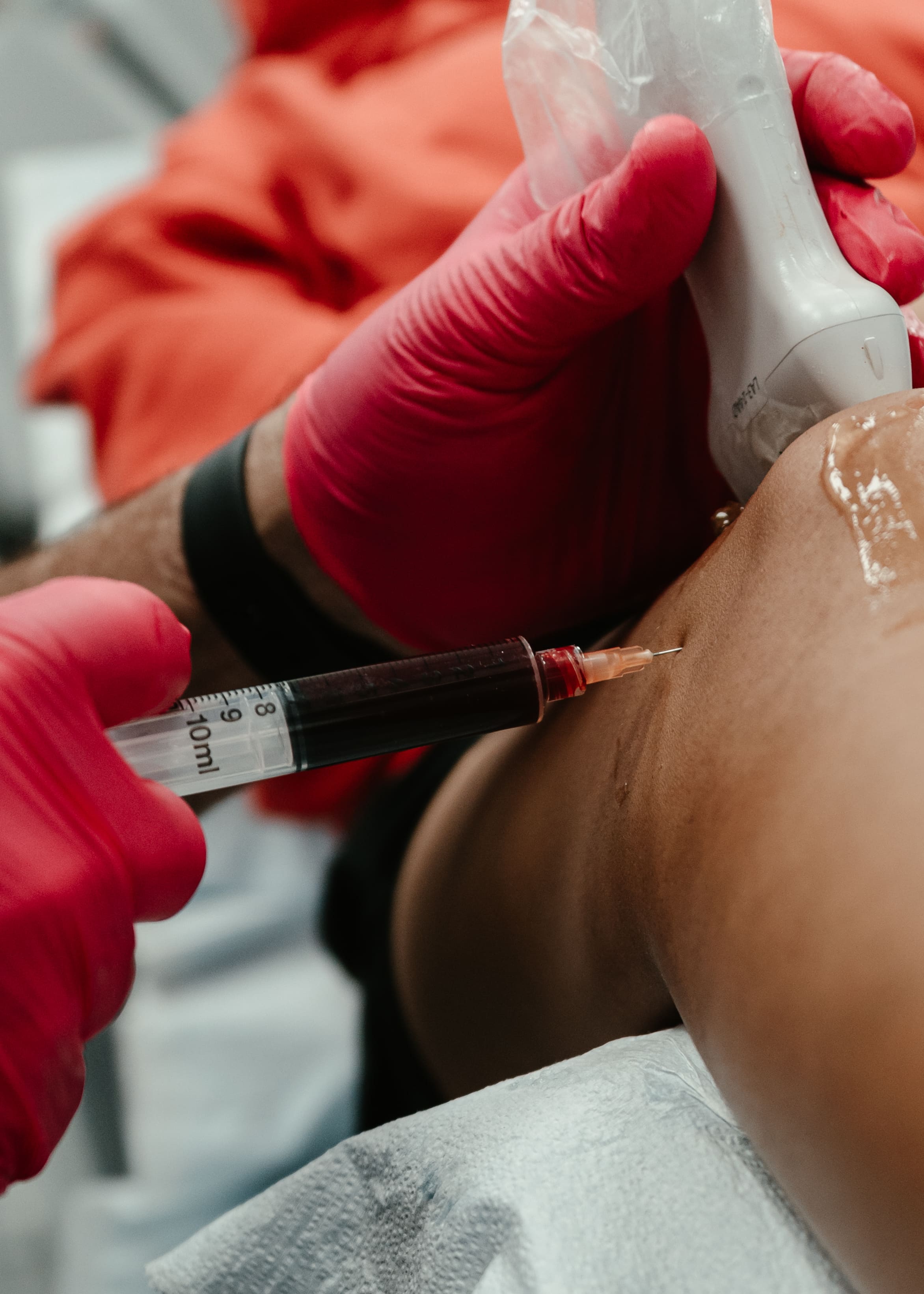
Platelet-rich plasma (PRP) is produced from your own blood and used to stimulate the healing of damaged or diseased tissue. It is an effective regenerative orthopedic treatment for a wide range of conditions and athletic injuries, accelerating healing and potentially helping patients avoid surgery.
Platelet-rich plasma therapy is utilized for its ability to enhance recovery, shorten healing times, and safely accelerate your return to daily activities and sports. It can be used alone or combined with other orthobiologic therapies to enrich treatment for more severe or chronic conditions causing pain and dysfunction—including arthritic joints, as well as complex tendon and ligament injuries.
Dr. Podesta has extensive experience treating non-operative sports and orthopedic injuries using advanced orthobiologic therapies, including PRP. Consult with Dr. Luga Podesta to determine if PRP therapy is right for you.
Platelet rich plasma (PRP) is produced by concentrating our own blood through a process known as density gradient centrifugation. PRP is defined as plasma that contains a higher platelet concentration that is physiologically found in plasma. PRP contains a higher concentration of growth factors and bioactive proteins that have been found to stimulate healing and decrease inflammation.
Not all PRP is created equally! There is significant variability of PRP produced by the different commercially available systems on the market today. PRP can also be influenced by an individual’s age, platelet count at the time of the blood draw, how the blood is, medications use such as aspirin or non-steroidal anti-inflammatory medications and overall health. Clinical research supports the use of PRP to decrease pain and inflammation resulting from soft tissue injuries or from joint disorders such as arthritis and degeneration. PRP can also be applied directly into damage tissues such as bone, muscles, ligaments, meniscus, tendons and intervertebral discs to promote healing and reduce pain.
Platelets or thrombocytes are the smallest cells circulating in blood. They perform a vital role in preventing blood loss by clumping together forming a clot, a function known as hemostasis. Platelets contain alpha granules that play a vital role in hemostasis, inflammation and wound healing. When platelets are activated due to an injury, they possess the ability to stimulate the healing cascade by releasing growth factors, cytokines and other bioactive proteins in addition to recruiting progenitor cells.
When an injury occurs our body sets into motion an immune response referred to as the “Healing cascade” in order to repair the injured tissues. The healing response progresses through four overlapping phases over several months: Hemostasis, Inflammatory, Proliferative, and Maturation phases, resulting in partial or complete repair and restoration of the damaged tissue.
Dr. Podesta recommend the following important steps in preparation for all orthobiologic procedures:
At the time of your initial consultation with Dr. Podesta, will discuss how to prepare for your orthobiologic treatment. Please inform Dr. Podesta or his staff of ALL medication you are currently taking including supplements and homeopathic preparations.
Certain prescribed, over the counter medications or natural supplements my need to be temporarily discontinued prior to treatment due to their inhibitory effects on platelet or progenitor (stem cell) function. A comprehensive list will be provided prior to your procedure.
Not all PRP is created equally. The composition and concentration of PRP can be influenced by the specific processing system used, as well as individual factors such as your age, overall health, current platelet count, and whether you are taking medications like aspirin or anti-inflammatories (NSAIDs) at the time of your blood draw.
Yes. While PRP is highly effective on its own, it can also be used in combination with other orthobiologic therapies. Combining treatments enriches the healing response, making it particularly beneficial for addressing more severe or chronic pain and joint dysfunction.
Using precise guidance, PRP can be applied directly into a wide variety of damaged structures. These include bone, muscle, ligaments, tendons, the knee meniscus, and intervertebral discs to stimulate localized healing and significantly reduce pain.
When activated by an injury or injection, platelets release vital growth factors and bioactive proteins that trigger your body's natural four-stage healing cascade: Hemostasis, Inflammatory, Proliferative, and Maturation phases. This natural, multi-month biological process works to repair and fully restore damaged tissue strength.
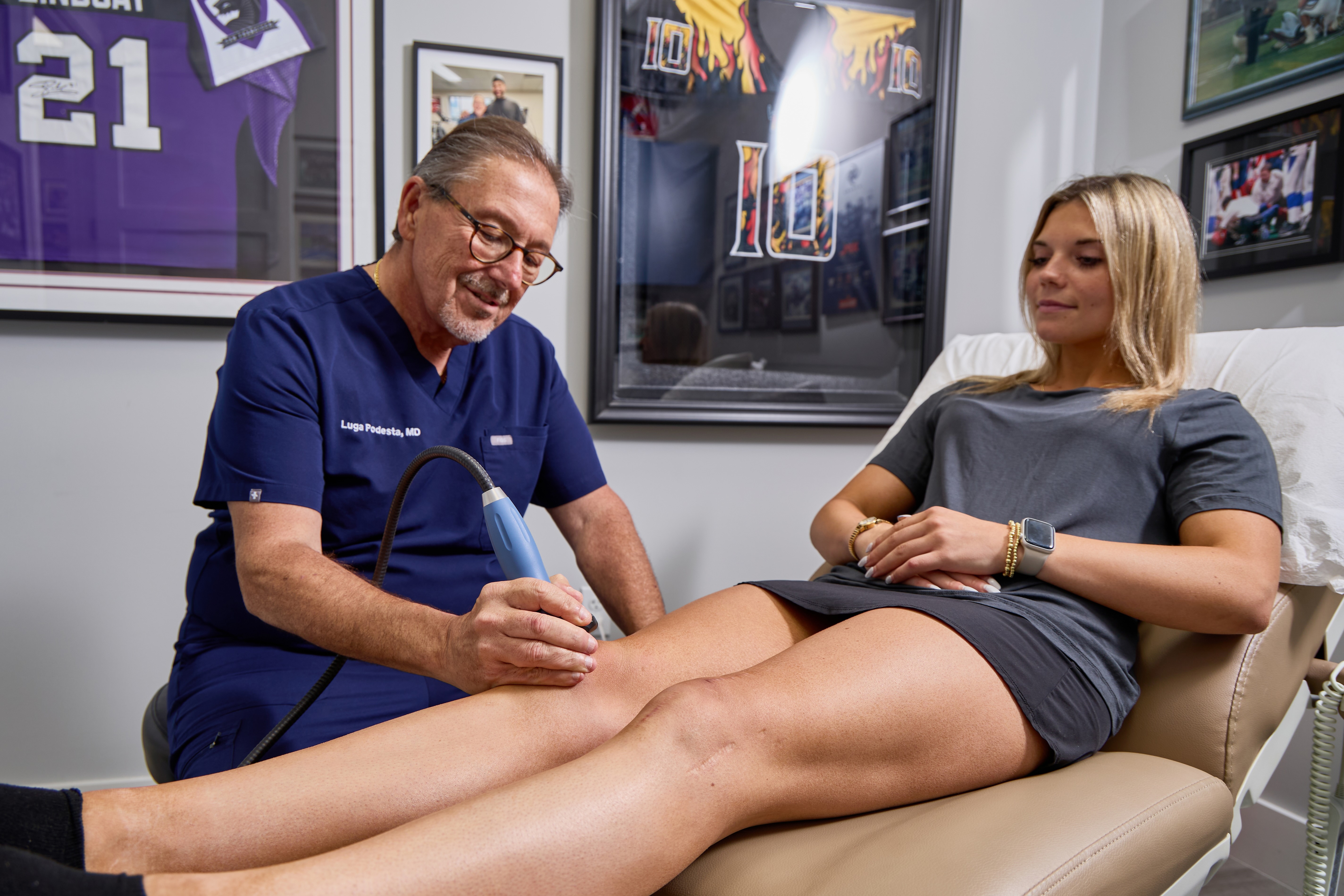

With recognized expertise in advanced shockwave technology, we deliver targeted acoustic pressure waves to injured tissue to reduce pain, break down chronic scar tissue, and stimulate the body's natural healing response in muscles, tendons, ligaments, and joints.
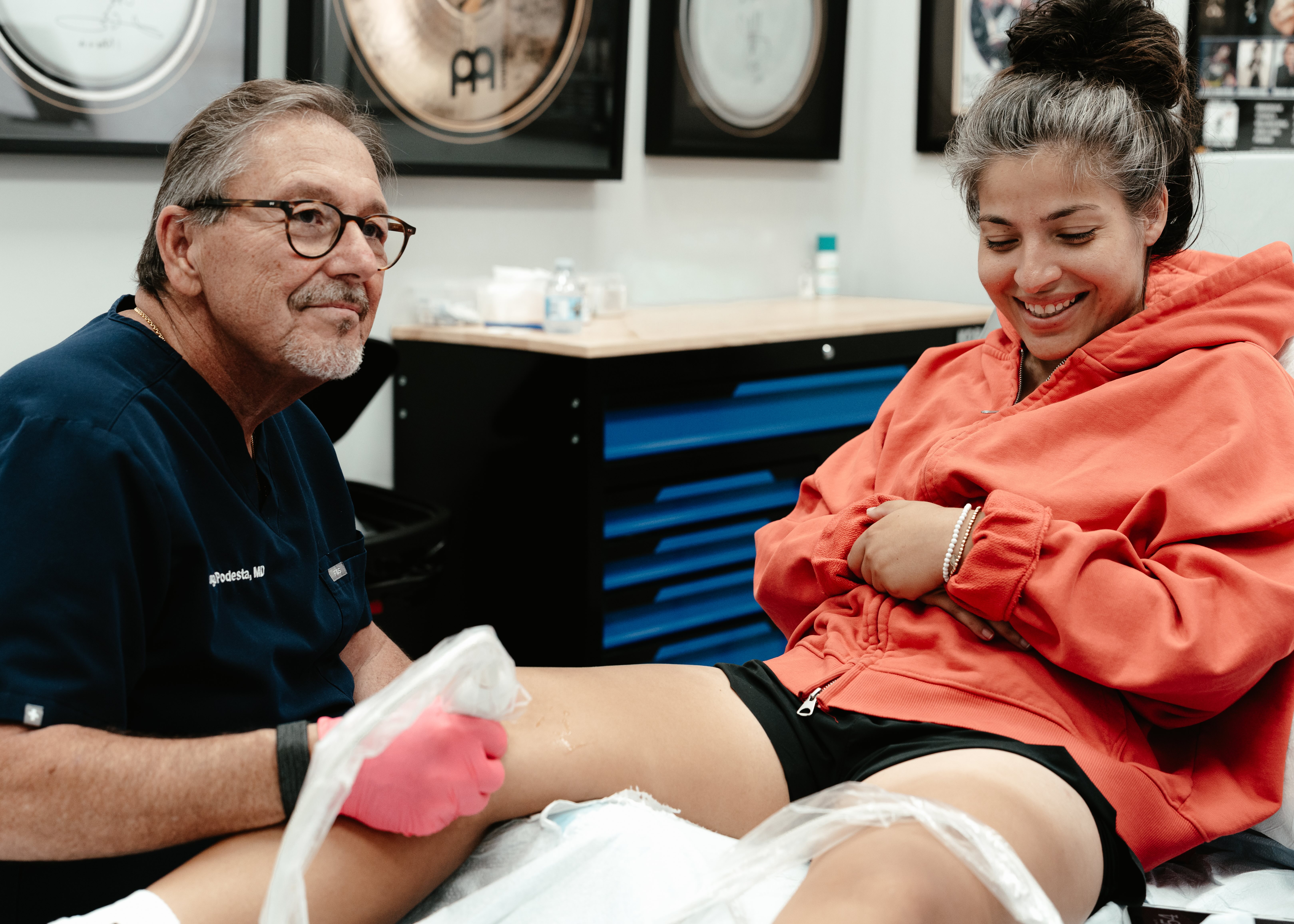

Regenerative orthopedics focuses on stimulating and enhancing our body's natural ability to respond to orthopedic injuries and heal itself. It applies advanced orthobiologic techniques, each with the potential to stimulate the immune system and increase the body’s natural ability to heal.


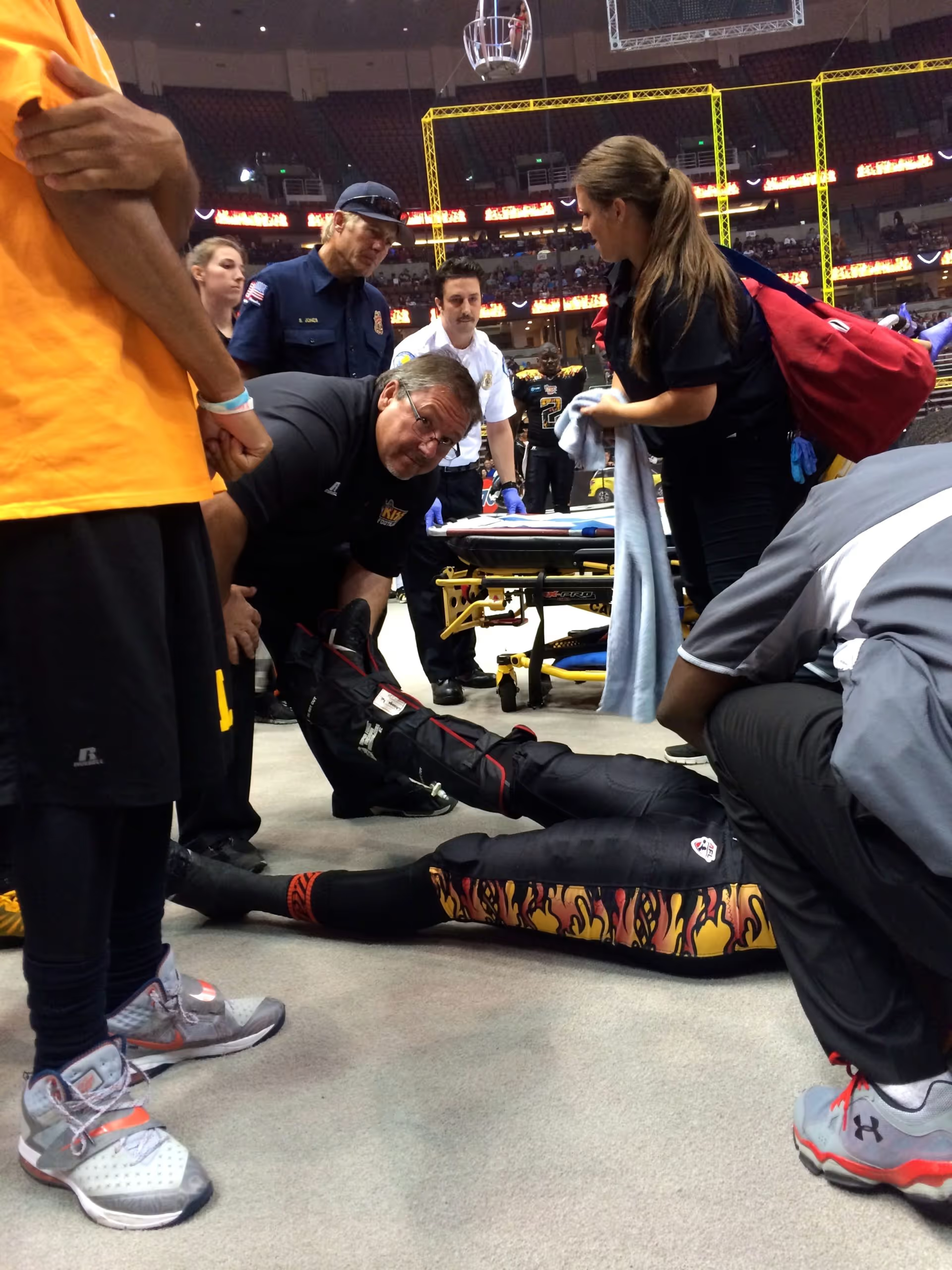
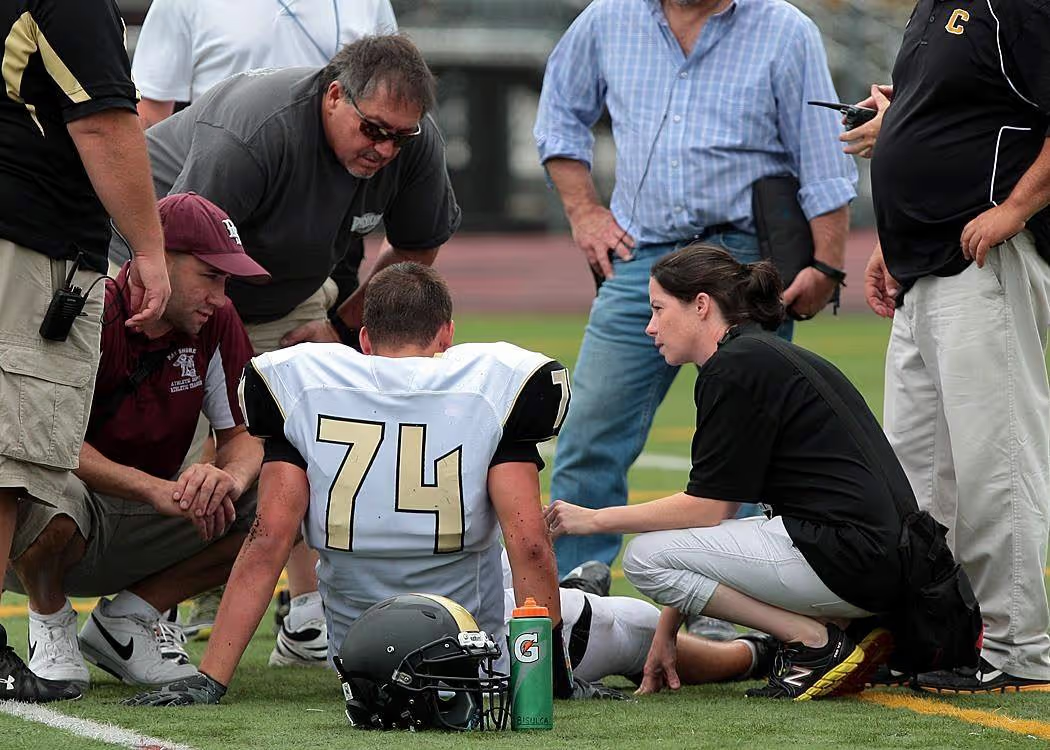
With recognized expertise in developing tailored rehabilitation strategies to safely transition injured athletes back to the field, we focus on fully restoring functional movement, optimizing recovery, and returning athletes to peak performance.


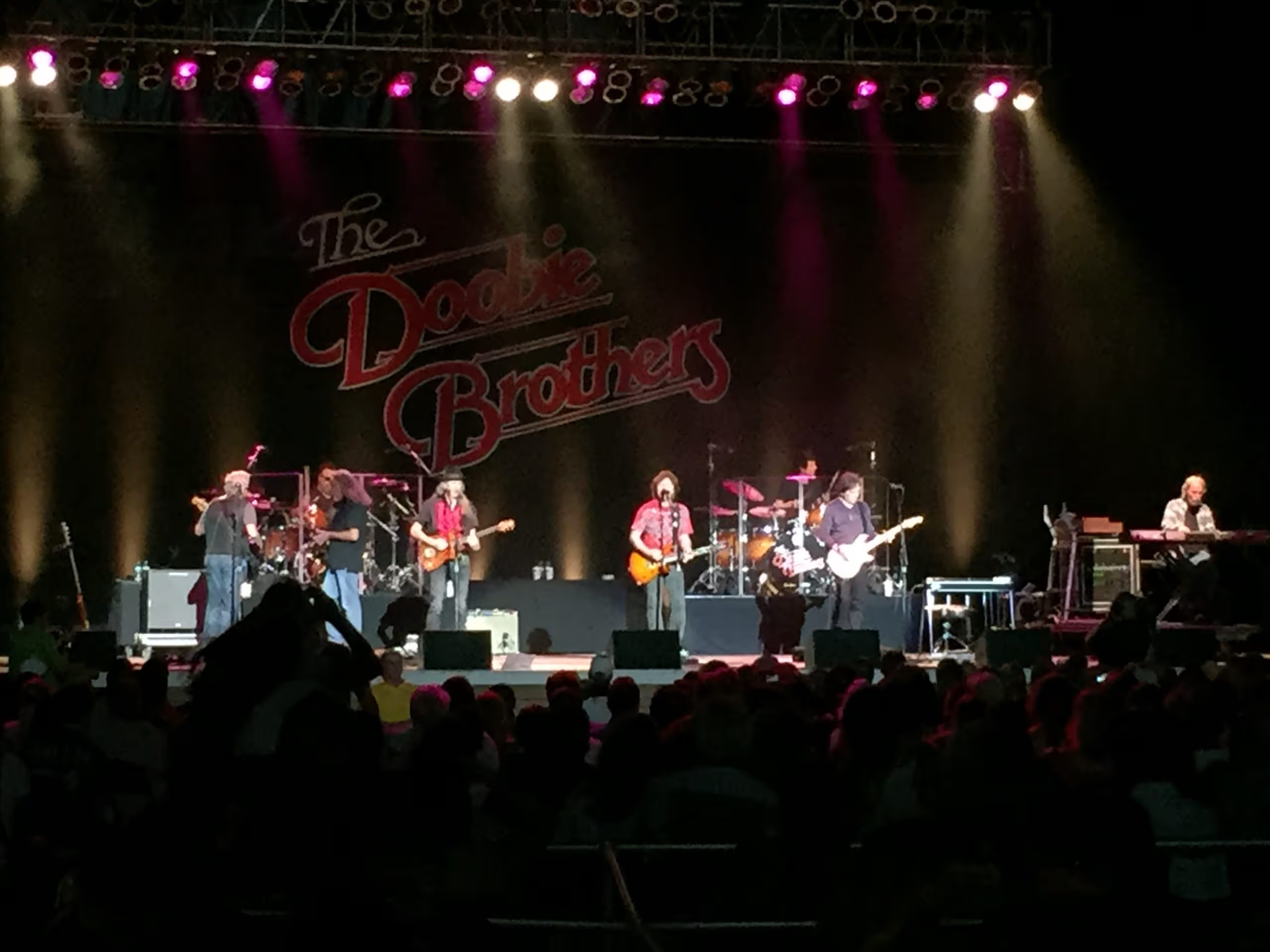
When an injury keeps you offstage, choosing the right physician is essential. Performance-related injuries affect drummers, concert pianists, and young dancers alike, making it critical to select a doctor who deeply understands the unique physical demands of your craft to ensure a safe, precise, and swift return to peak performance.
Appointments in Naples, FL, and monthly in Los Angeles, CA. Space in the practice is intentionally limited.
Patient Resources