Regenerative Orthopedics
Indication · FOCUS · TENDON · LIGAMENT · JOINT
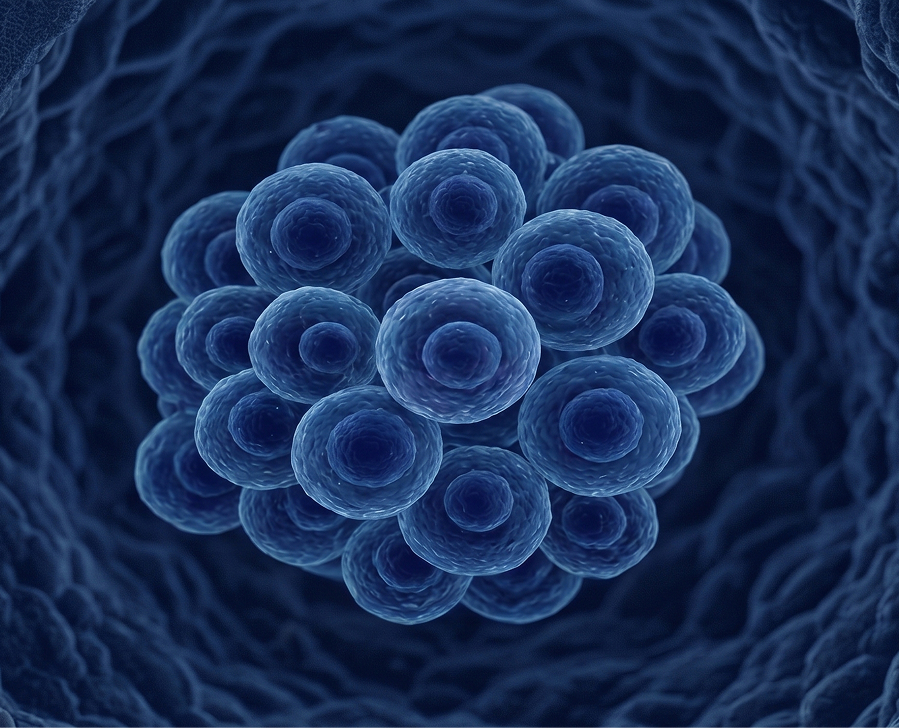
Cell-based therapy utilizing progenitor cells is an advanced regenerative orthopedic procedure used to treat various orthopedic and systemic conditions. Stem cells are found in nearly all tissues of the body. Cell-based therapies are used to stimulate the body’s natural ability to repair itself and heal damaged tissue.
Progenitor cell injections are performed alone or in combination with other orthobiologic treatments to treat a variety of conditions causing pain and dysfunction, such as arthritic joints and advanced tendon and ligament injuries.
Progenitor cell-based therapy is a cellular therapy performed to treat a variety of orthopedic conditions. Progenitor cell therapies are being used to repair damaged or diseased tissue and have shown promising results not only treating orthopedics and musculoskeletal injuries, but also in cardiovascular, neuromuscular and autoimmune conditions. Progenitor cell-based treatments begin by collecting small amount of bone marrow or adipose tissue (fat) from the patient. The marrow is concentrated, or the adipose tissue is washed and resized, and then reinjected back into the injury site or abnormal joint. These cells functions to diminish inflammation, promote healing of articular cartilage and soft tissues, such as meniscus, supporting tendons and ligaments and stimulate bone growth. As a treatment for osteoarthritis, progenitor cell-based therapy assists to reestablish a normal intraarticular environment, slow the degenerative process and help preserve the natural joint. Progenitor cell-based therapy is performed to assist in the treatment of a variety of orthopedic conditions involving degenerative joints and soft tissue injuries.
Progenitor cell-based treatments begin by harvesting a small amount of tissue directly from the patient's own body. This is typically collected from bone marrow or adipose (fat) tissue, ensuring a safe, autologous cellular treatment.
Once collected, the harvested tissue undergoes a specialized preparation process. Bone marrow is concentrated, while adipose tissue is washed and resized before being precisely reinjected back into the affected joint or injury site.
In arthritic joints, progenitor cell therapy helps reestablish a normal environment inside the joint (intraarticular environment). This action helps slow down the progressive degenerative process, reduces pain, and works to preserve your natural joint structure.
Progenitor cell therapy promotes the healing and repair of various soft tissue structures. This includes articular cartilage, the knee meniscus, as well as supporting tendons and ligaments that have suffered advanced damage or degeneration.
Yes. While widely recognized for repairing musculoskeletal and orthopedic conditions, progenitor cell therapies have also shown promising results in treating cardiovascular, neuromuscular, and autoimmune conditions.
Yes. Progenitor cell injections can be performed as a standalone treatment or combined with other orthobiologic therapies to enhance overall effectiveness, particularly when treating severe pain, arthritic joints, or complex ligament and tendon damage.
Once injected, progenitor cells work to diminish inflammation, stimulate localized bone growth, and activate the repair of damaged articular cartilage and surrounding soft tissues.
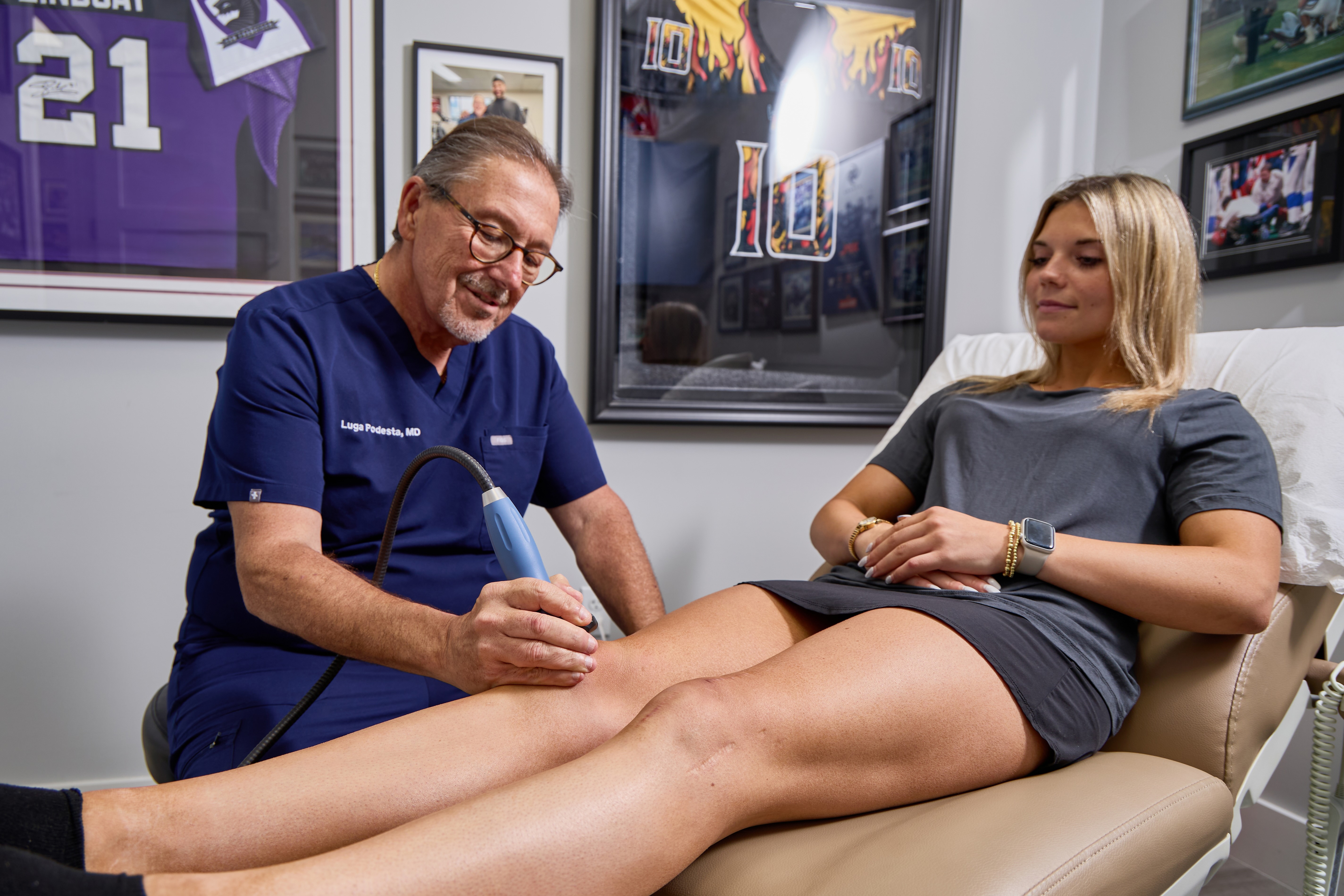

With recognized expertise in advanced shockwave technology, we deliver targeted acoustic pressure waves to injured tissue to reduce pain, break down chronic scar tissue, and stimulate the body's natural healing response in muscles, tendons, ligaments, and joints.
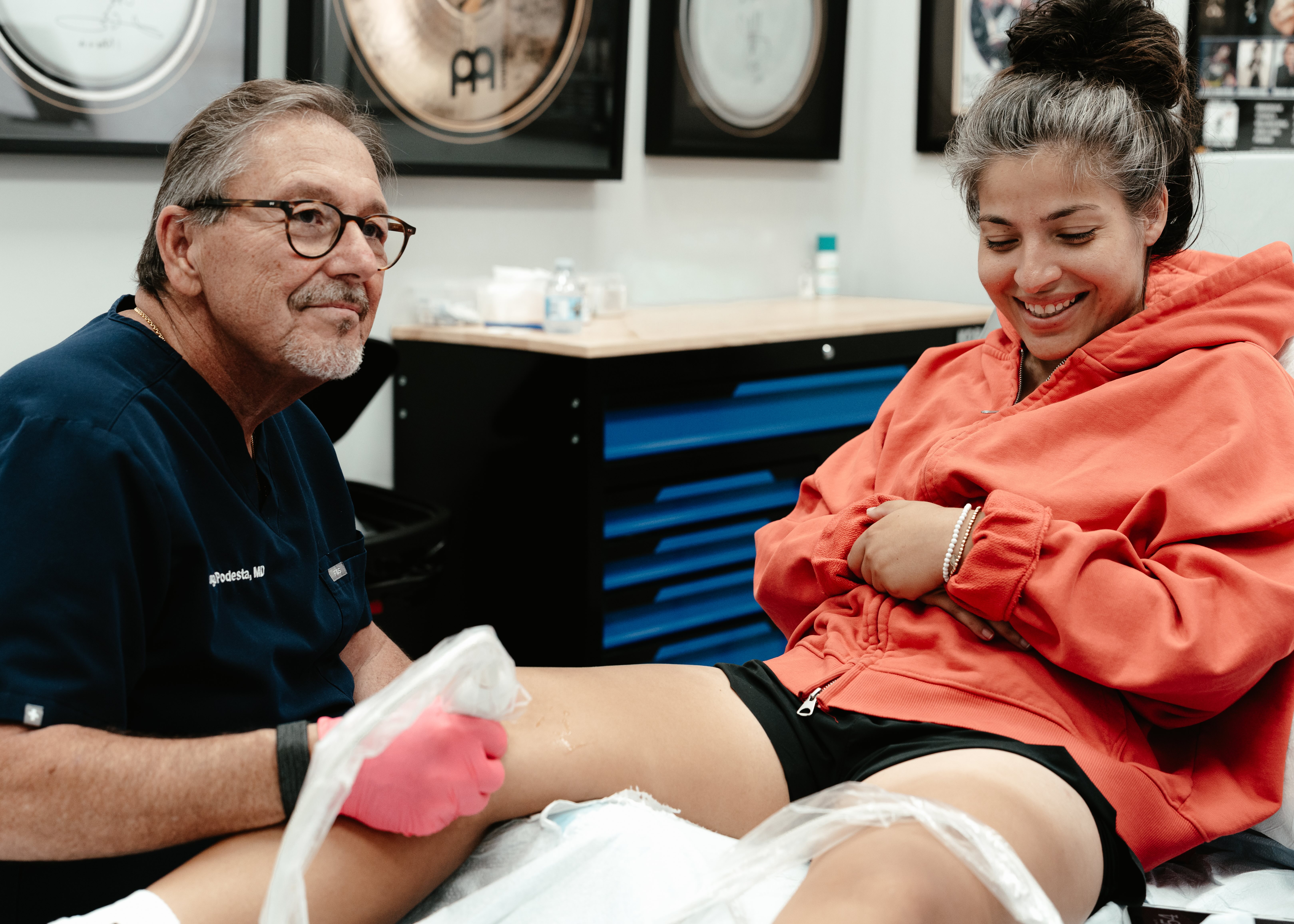

Regenerative orthopedics focuses on stimulating and enhancing our body's natural ability to respond to orthopedic injuries and heal itself. It applies advanced orthobiologic techniques, each with the potential to stimulate the immune system and increase the body’s natural ability to heal.


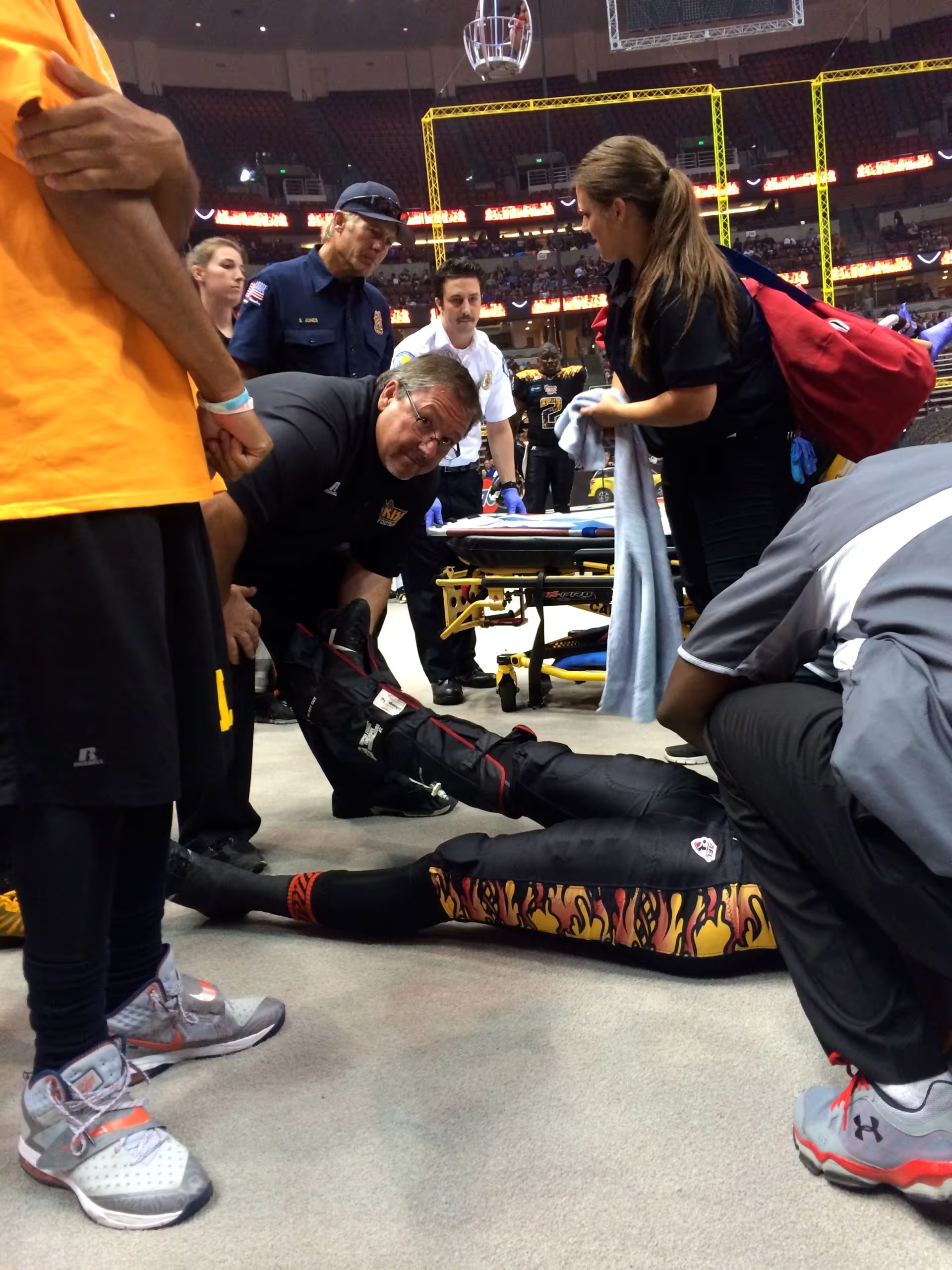
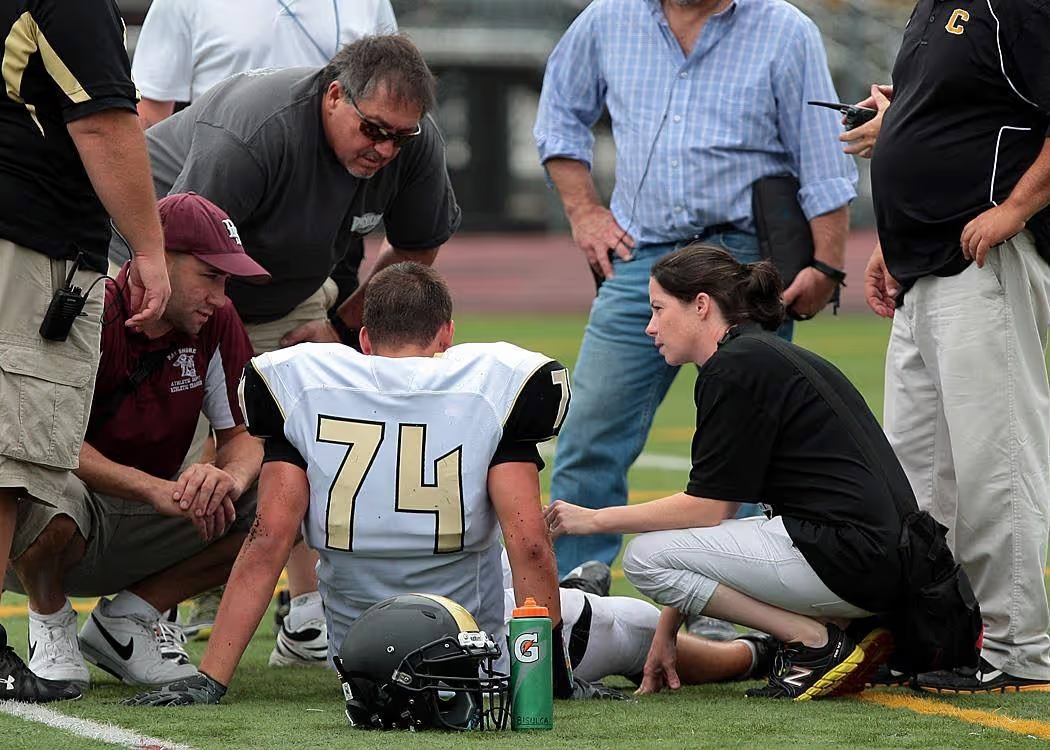
With recognized expertise in developing tailored rehabilitation strategies to safely transition injured athletes back to the field, we focus on fully restoring functional movement, optimizing recovery, and returning athletes to peak performance.


When an injury keeps you offstage, choosing the right physician is essential. Performance-related injuries affect drummers, concert pianists, and young dancers alike, making it critical to select a doctor who deeply understands the unique physical demands of your craft to ensure a safe, precise, and swift return to peak performance.
Appointments in Naples, FL, and monthly in Los Angeles, CA. Space in the practice is intentionally limited.
Patient Resources