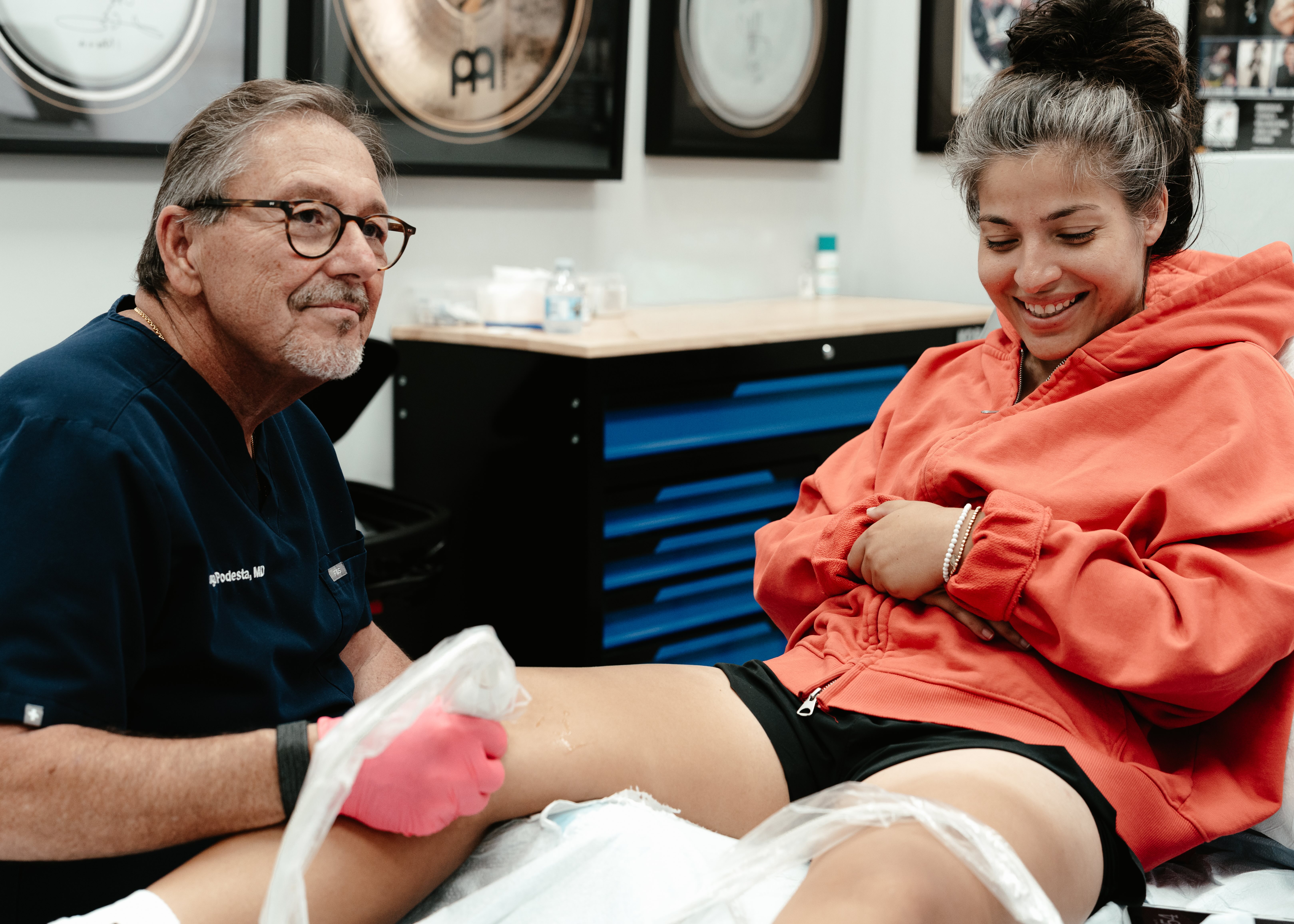
Regenerative and Orthobiologics therapies

Non-surgical regenerative orthopedic treatments

Regenerative orthopedics focuses on stimulating and enhancing our body's natural ability to respond to orthopedic injuries and heal itself. Often, this process is incomplete or delayed due to age, the chronicity of an injury, metabolic dysfunction, chronic illness, or medication.

Regenerative orthopedics applies advanced orthobiologic techniques, each with the potential to stimulate the immune system and increase the body’s natural ability to heal damaged tissues such as muscles, tendons, ligaments, bones, and cartilage.

Regenerative and Cell-Based Therapies

Platelet Poor Plasma (PPP)

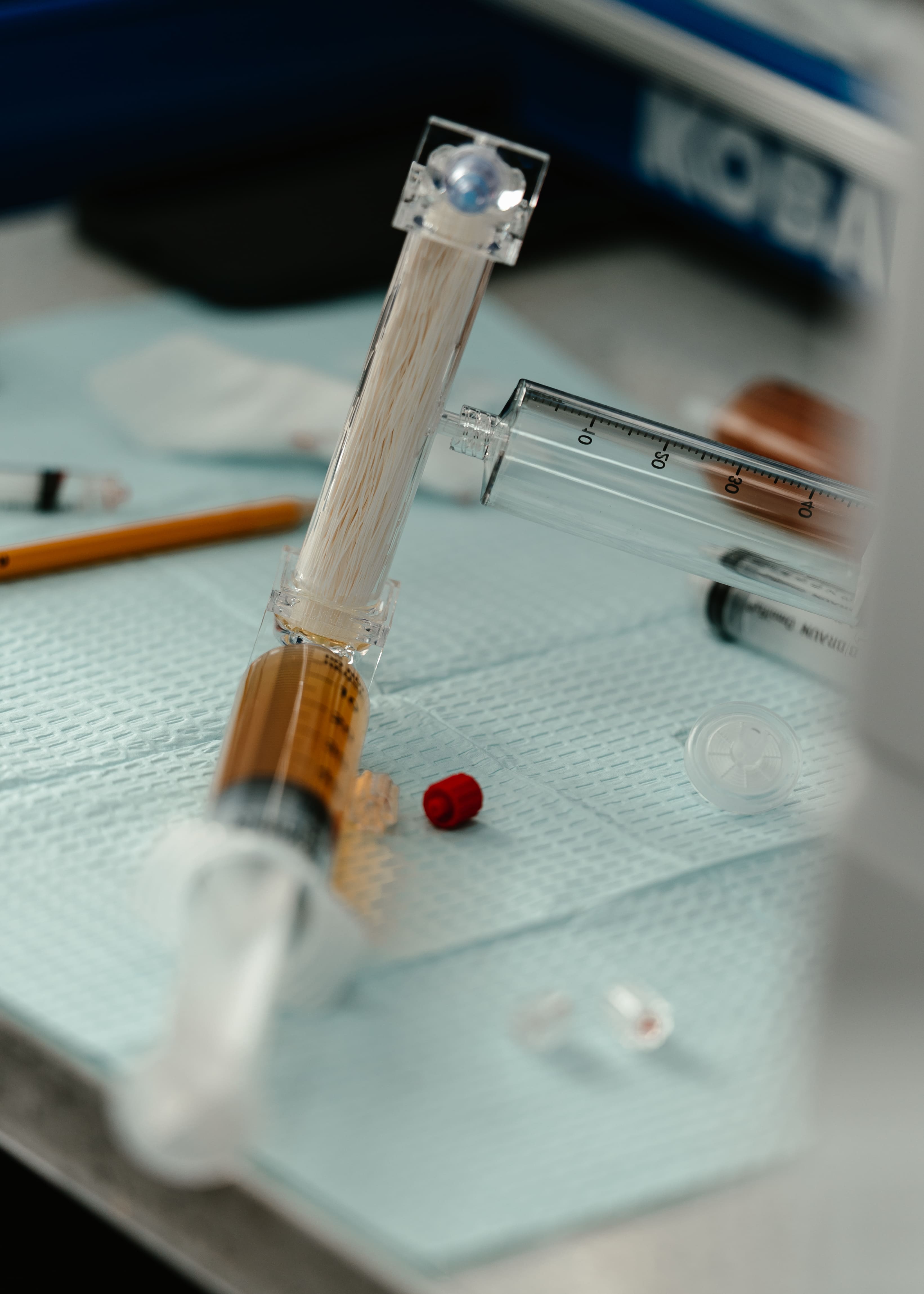
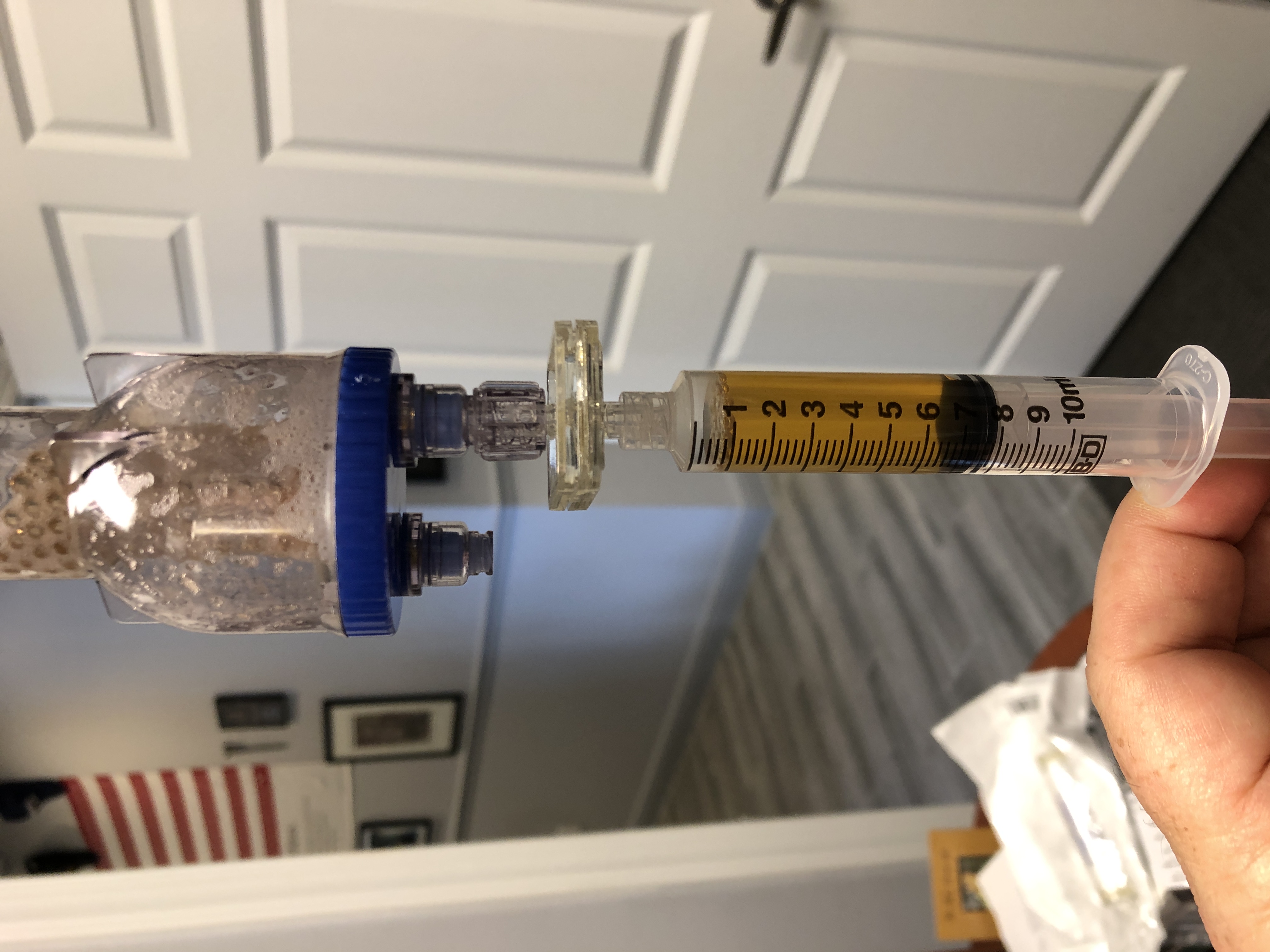
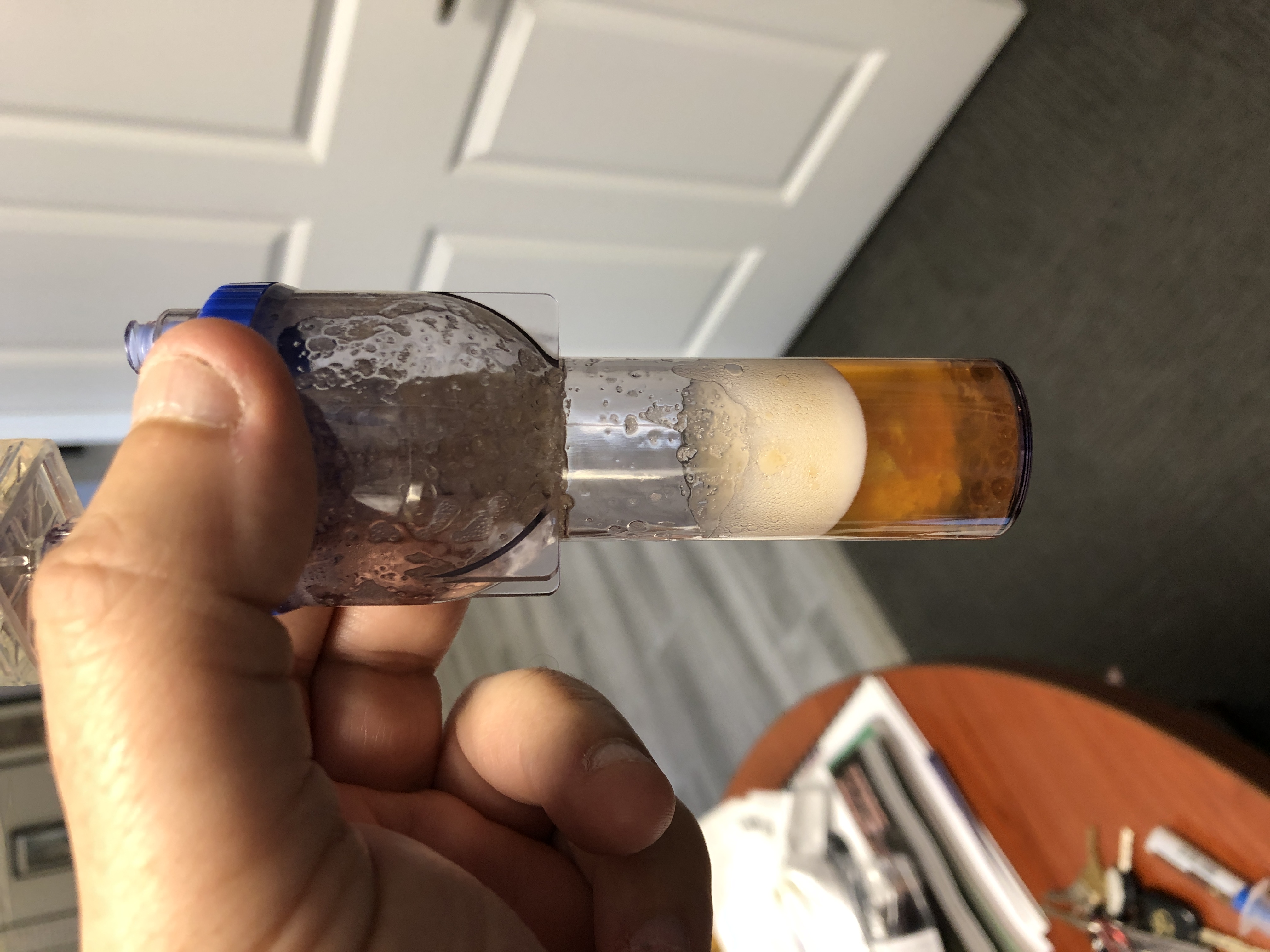
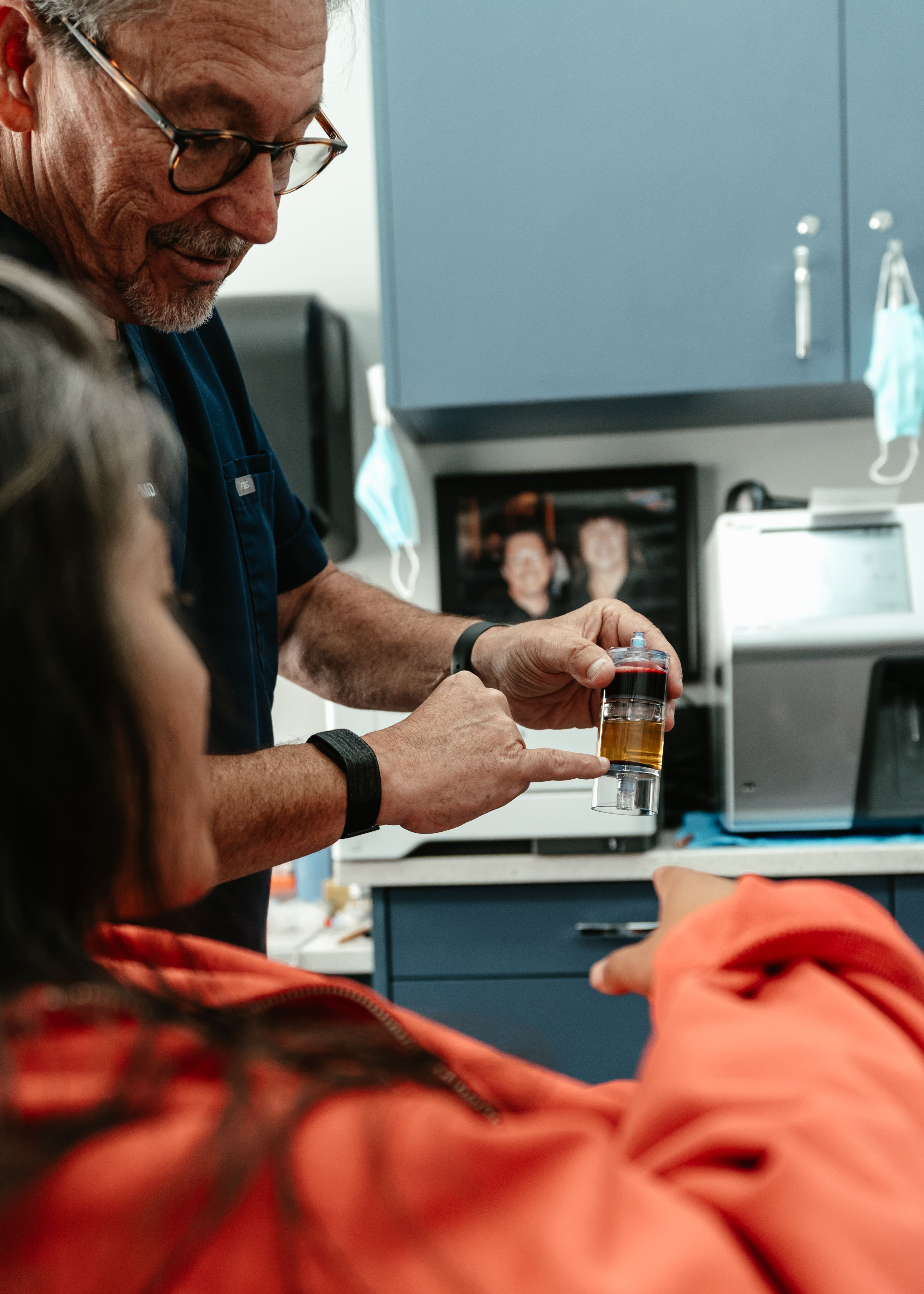
Platelet poor plasma is prepared from blood and used in in combination with other blood products or on its own to produce autologous thrombin and a fibrin-rich clot in wounds to enhance natural healing. Platelet poor plasma is produced as a result of PRP production. PPP contains a lower platelet concentration than PRP. Research has shown that
PPP is helpful to stimulate muscle cell growth.

What is Platelet Poor Plasma (PPP)?

Platelet poor plasma is plasma with a platelet concentration that is less than the platelet
concentration found in whole blood.

What are the benefits of Platelet Poor Plasma?

Although platelet poor plasma contains lower levels of platelets, it does contain elevated levels of the glycoprotein, fibrinogen, a central enzyme involved in blood coagulation. PPP is useful for the production of autologous thrombin. During would healing, fibrinogen is converted to fibrin, forming a clot, enabling platelets to release more than 300 different proteins including growth factors, cytokines and other molecules activating the natural healing cascade. Scientific literature supports the use of plated poor plasma to treat muscle injuries. Research has indicated PPP has been shown to enhance an injured muscles ability to generate muscle cells or myoblasts which are necessary for muscle repair and regeneration.

Autologous Thrombin

Thrombin performs several essential functions in wound healing. It is the central enzyme involved in blood coagulation through conversion of fibrinogen to fibrin. Research has demonstrated that in response to activation by thrombin, human platelets release more than 300 different proteins including growth factors, cytokines, and other molecules. When thrombin is combined with PRP, soluble fibrinogen in the plasma is enzymatically converted to fibrin and cross-linked resulting in the gelation (clot formation) of the platelet concentrate. Clinically the gel or clot produced is beneficial to improve tissue handling and retention of cells and growth factors at the delivery site preventing biologic run off. The resultant fibrin gel functions as a scaffold for cell growth and remodeling within a tissue with a larger defect.

Autologous Conditioned Serum

Autologous interleukin one receptor antagonist (IL-1RA) has been successfully and safely used in humans for the treatment of osteoarthritis, back pain, muscle injuries and tendinopathies. IL1RA has been used in Europe since 2003 under the names Orthokine and Regenokine, is currently under investigation for the treatment of inflammatory conditions involving tendons, ligaments and joints as a more physiologically, natural and safer alternative to corticosteroids to reduce inflammation and treat inflammatory conditions such as osteoarthritis.

Alpha 2 macroglobulin Injection (A2M)

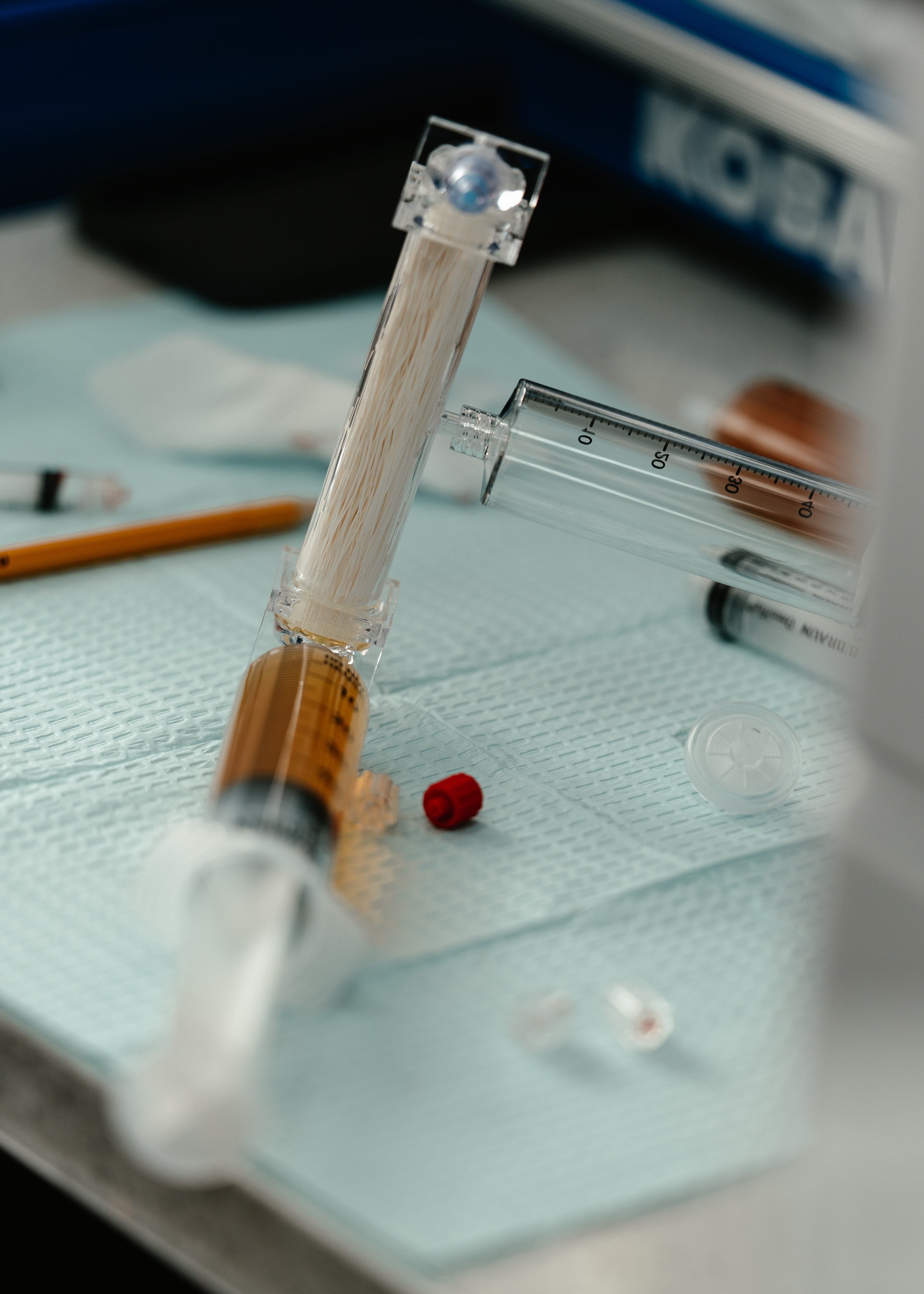
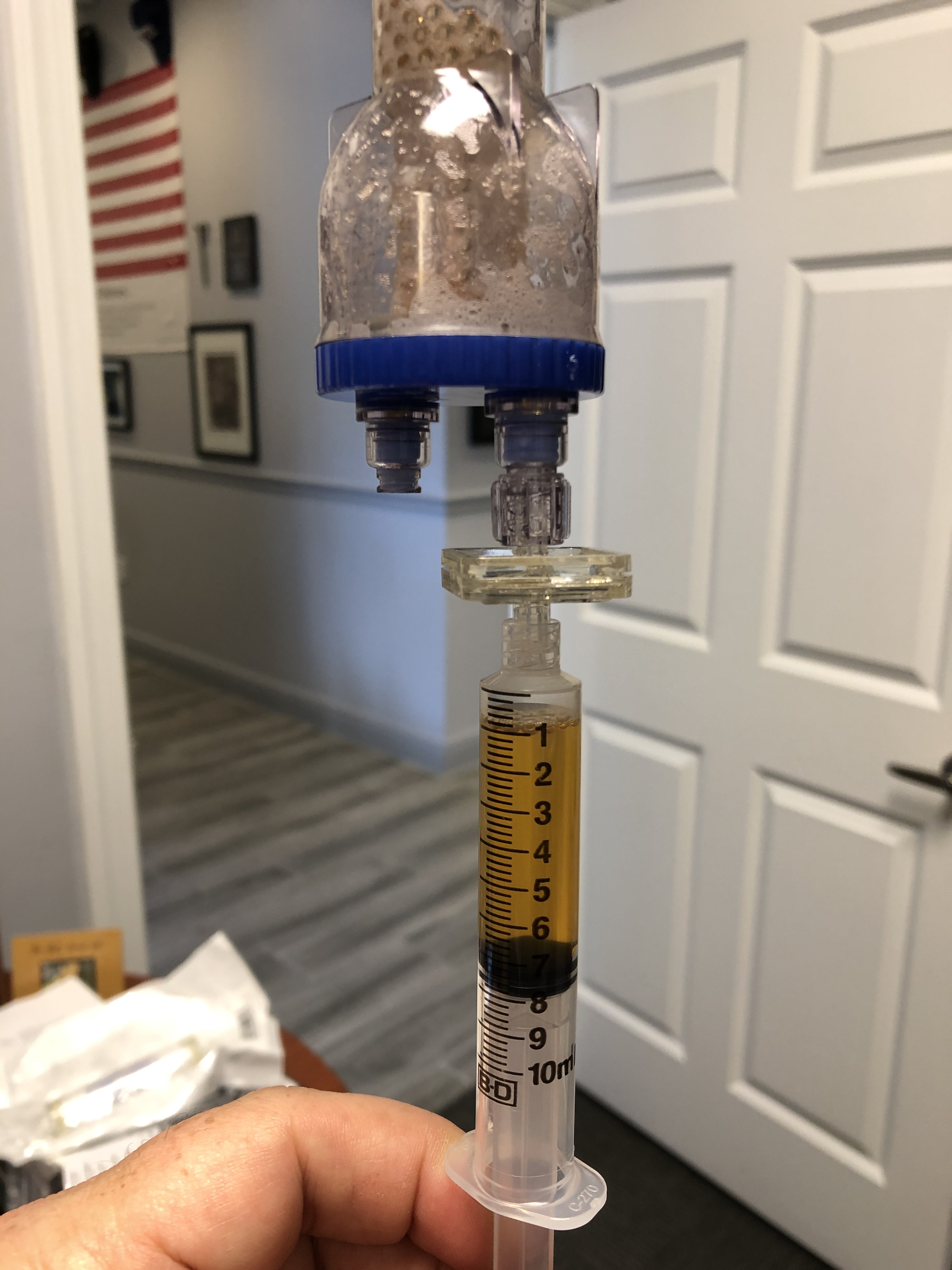
Alpha 2 macroglobulin is a large plasma protein found in blood. It is primarily produced in the liver and locally synthesized by fibroblasts, macrophages and adrenocortical cells. A2M acts as protease inhibitor and is produced by the dehydration of platelet poor plasma. A2M provides joint preservation qualities when injected into a damaged joint at higher concentrations to target destructive enzymes. It is felt to help promote natural healing, tissue growth and prevent articular cartilage breakdown.

Bone Marrow Concentrate (BMC)

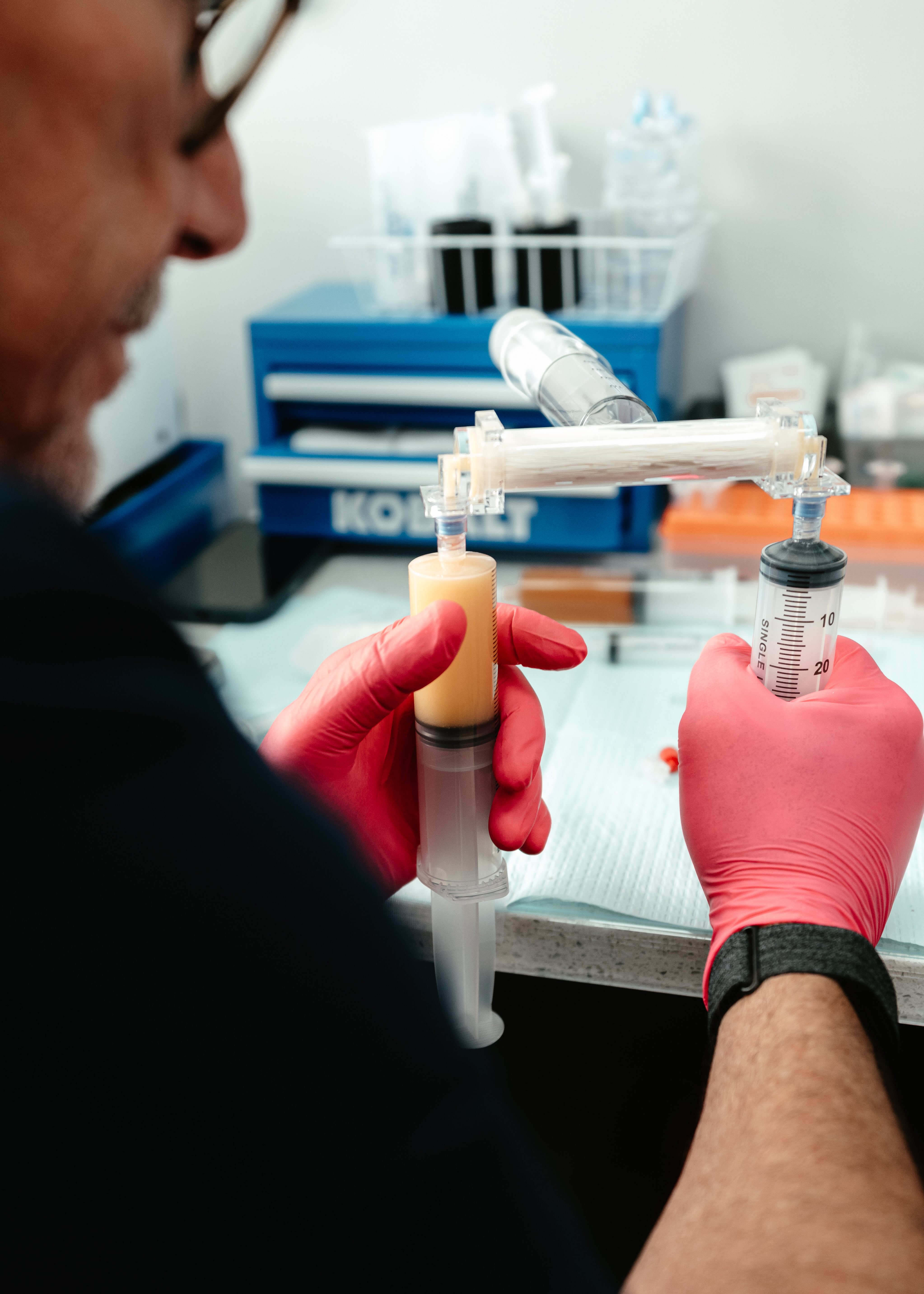
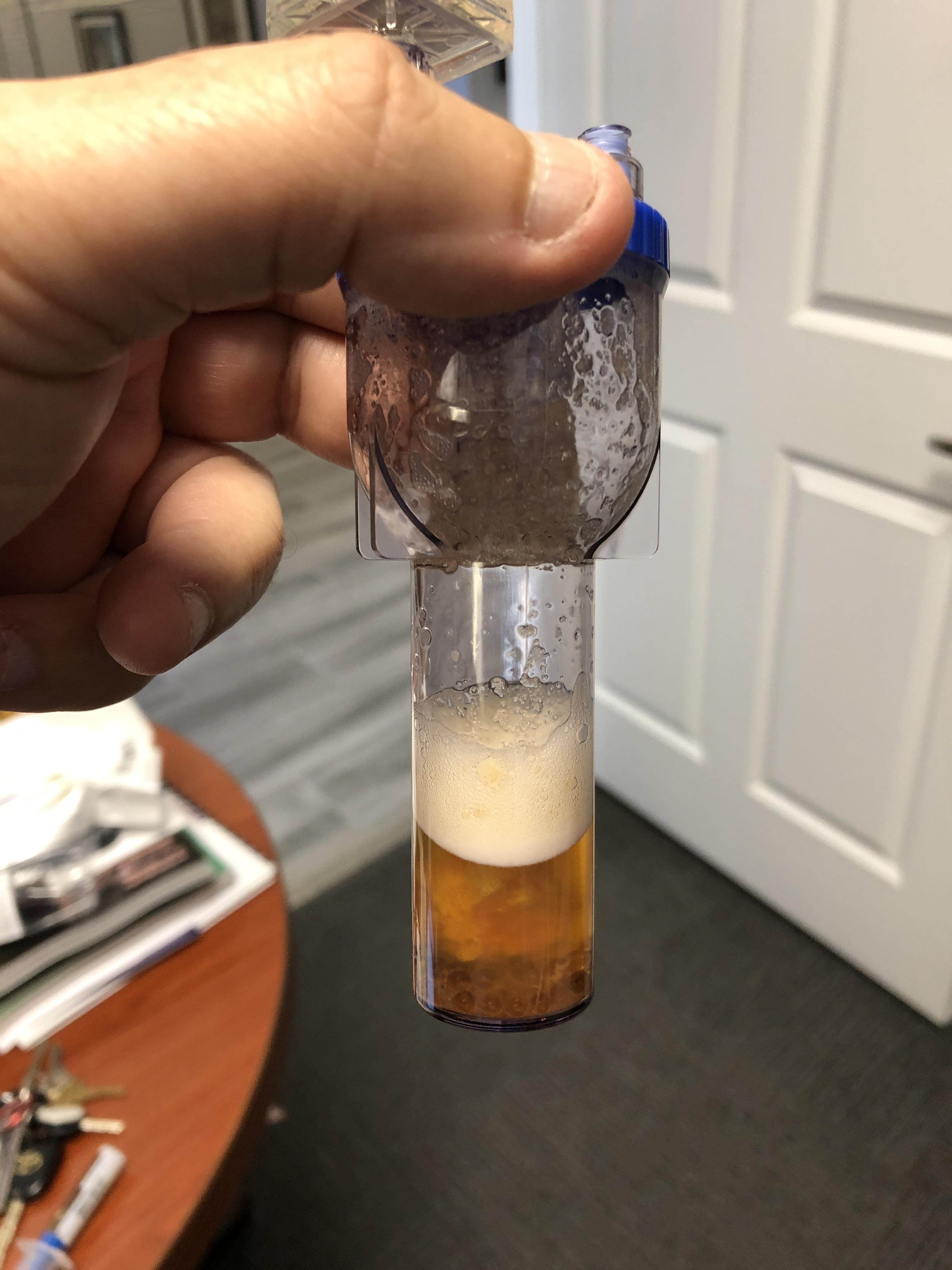
Bone marrow concentrate is an autologous (your own bodies) orthobiologic product used in regenerative orthopedics procedures to provide stem (progenitor) cells to a treated tissue. A small volume of bone marrow is painlessly collected from the patient and concentrated by density gradient centrifugation and then reinjected back into an abnormal bone, joint or soft tissue. Bone marrow concentrate in addition to PRP, has shown promise to further diminish inflammation, promote and stimulate normal tendon growth not observed with PRP alone. BMC has also been shown to produce high concentrations of IL-1RA, a potent bioactive anti-inflammatory protein.

What is Bone Marrow Concentrate?

Bone marrow is a semi-solid tissue found within the spongy portion of bone and is the primary site of new blood cell production. Bone marrow composition is dynamic, comprised of a mixture of cellular and non-cellular components that alter with age and in response to systemic changes. The majority of  cells found in bone are Hematopoietic Cells, which give rise to our blood forming cells including Platelets, Monocytes, Red Blood Cells and Neutrophils. Mesenchymal Cells, also known as mesenchymal stromal cells or medicinal signaling cells are multipotent stromal cells that can differentiate under the appropriate physiologic conditions, into a variety of cell types including Osteoblasts, Adipocytes and chondrocytes. Lymphocytes. They are important to the body’s immune system, providing and immunomodulatory function.

Progenitor Cell

What Are Progenitor Cells?

Progenitor cells are undifferentiated cells that can self-replicate and under appropriate cellular conditions develop into different cell types. There are two major subsets of progenitor cells, embryonic cells and adult cells. Cell based therapies utilizes primarily adult cells for cell-based treatments. These cells are distributed throughout the body and are found in every tissue. They reside in specific pockets of tissue called niches such as bone marrow, fat, synovial tissue and fluid and blood and are easily harvested. As we age, progenitor cells function to renew old or damaged cells. A prime example of this is our blood. Millions of blood cells expire every second and are replaced by hematopoietic progenitor cells found in our bone marrow. Adult cells like embryonic cells, can replicate into a limited number of different cell types.

Bone marrow and adipose tissue are easily accessible sources of progenitor cells (mesenchymal cells) in addition to other beneficial cell types and growth factors necessary to promote healing. Some of the more important components of bone marrow include:

  • Mesenchymal Progenitor Cells: Are present within almost every tissue in the body, have ability to self-renew, can continue to divide for a length of time, can differentiate into specialized cells such as bone, cartilage, ligament, muscle, nerve, fat, connective tissue, cardiac, and liver cells.
  • Hematopoietic Progenitor Cells: Hematopoietic stem cells reproduce all bloodlines and contain many of the biochemicals that modulate healing and tissue repair.
  • Endothelial Cells: Endothelial progenitor cells stimulate angiogenesis and release important compounds
  • Platelets
  • Monocytes
  • Fibroblasts
  • Growth factors
  • Interleukins

How Does PRP Compliment Progenitor Cell Therapies?

The combination of platelet rich plasma (PRP) and progenitor cell therapy may be considered for conditions that injuries are extensive, have been present for long periods of time, have a poor blood supply or involve structures that are exposed to repetitive stress and higher biomechanical loads such as tendon, ligament injuries, osteoarthritic or degenerative joints. There is an abundance of growth factors, cytokines and other bioactive proteins found in PRP that promote healing, trigger new tissue growth and enhanced the activity of progenitor cells. Studies have shown that the addition of PRP to progenitor cells, can further enhance tissue healing capabilities by reprogramming cellular response, decrease inflammation and improve the overall regenerative response. Dr. Podesta will evaluate each patient’s particular injury or condition and determine the most appropriate and effective treatment plan specific to your individual needs.

What Conditions Are Commonly Treated with Progenitor Cell Therapy?

Some of the conditions that might benefit from Progenitor Cell Based injections include:

Tendon injuries including:

  • Rotator cuff tendinosis and partial tears
  • Proximal and distal biceps tendinosis and partial tears
  • Tennis elbow /Golfers’ elbow
  • Gluteal tendinosis and partial tears
  • Proximal hamstring tendinosis and partial tears
  • Quadriceps/patella tendinosis and partial tears
  • Achilles tendinosis and partial tears
  • Peroneal and posterior tibial tendinosis and partial tears
  • Plantar fasciiti

Ligament injuries such as:

  • Elbow UCL partial tears
  • Knee ACL, MCL
  • Ankle sprains

Osteoarthritis of the:

  • Shoulder
  • Elbow
  • Wrist
  • Hip
  • Knee
  • Ankle and foot
  • Cervical and Lumbar Spine

Muscle Injuries:

  • Hamstring and quadriceps muscle pulls
  • Calf muscle-Gastrocnemius muscle tears

Labral and meniscal tears:

  • Shoulder
  • Hip
  • Knee

Bone:

  • Subchondral fractures
  • Stress fractures
  • Non-displaced fractures

How Are Progenitor Cells Harvested?

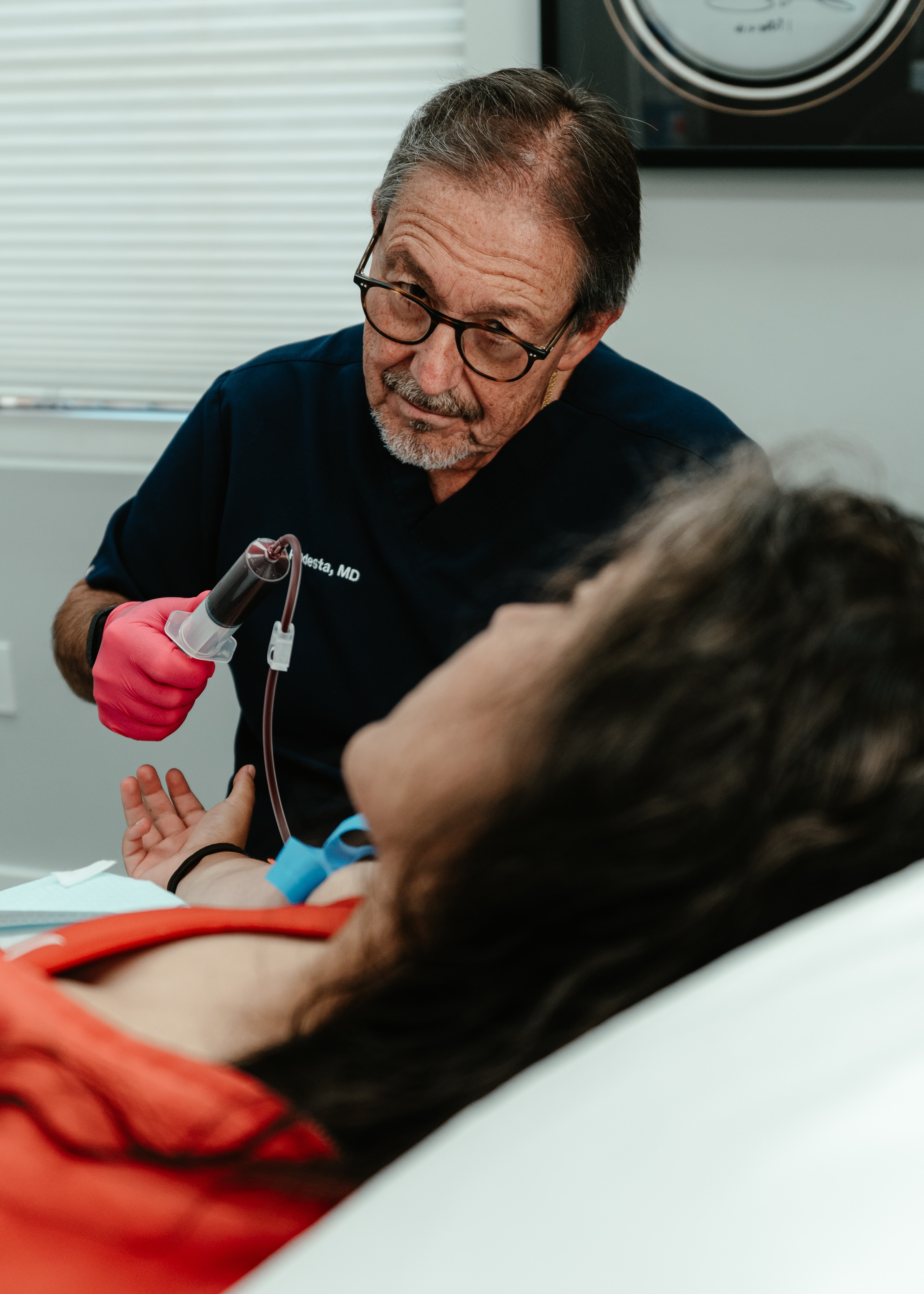
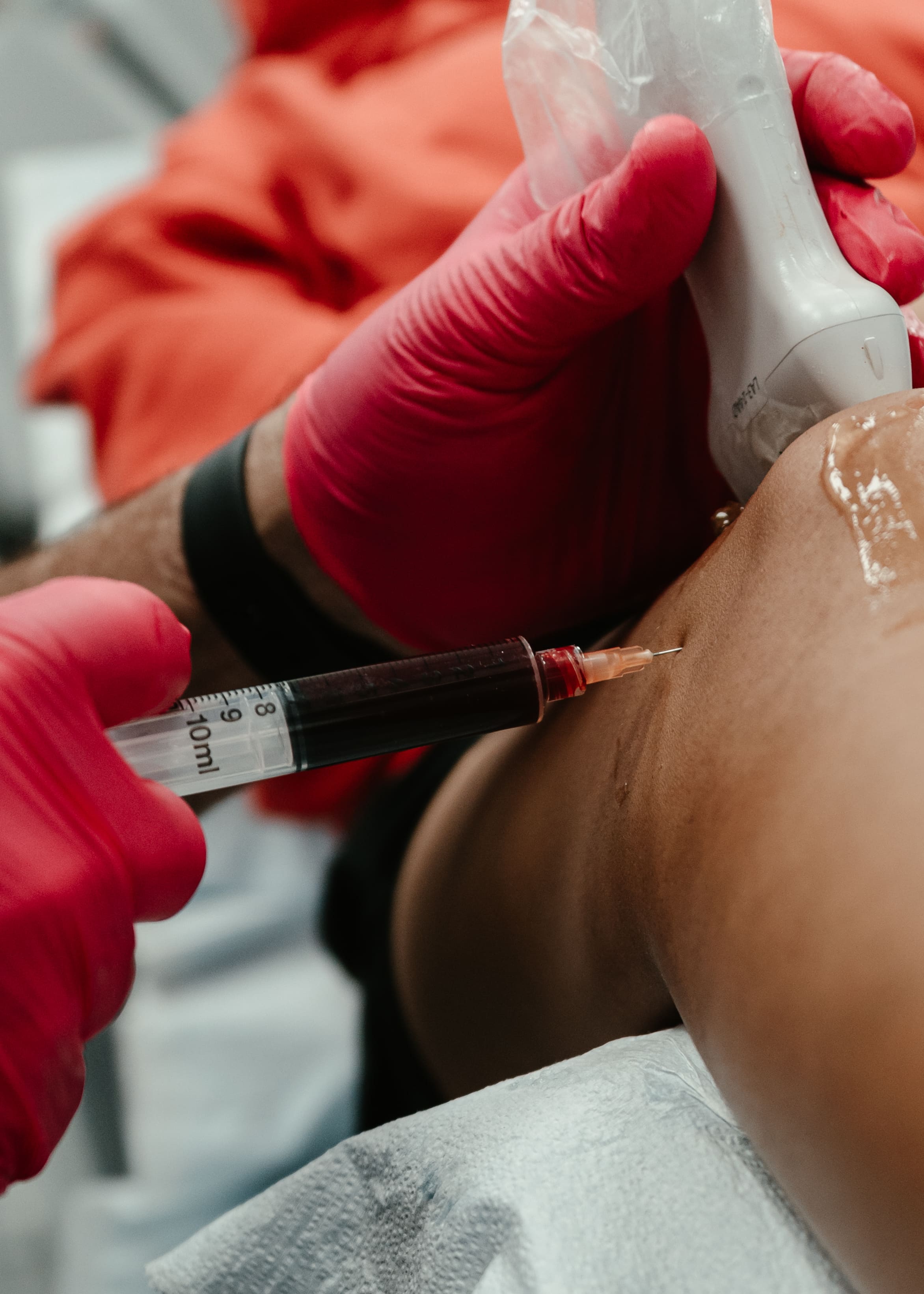
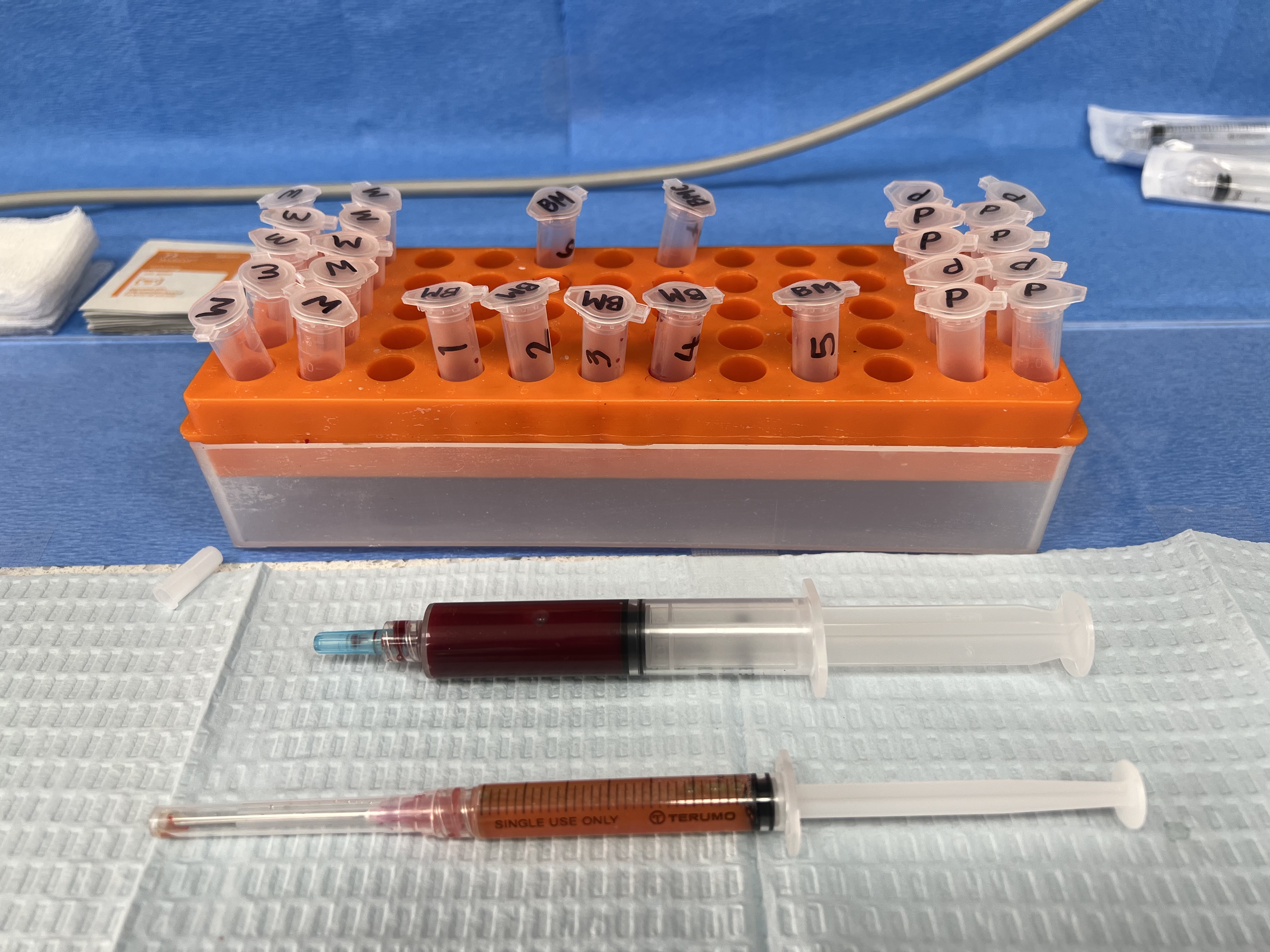
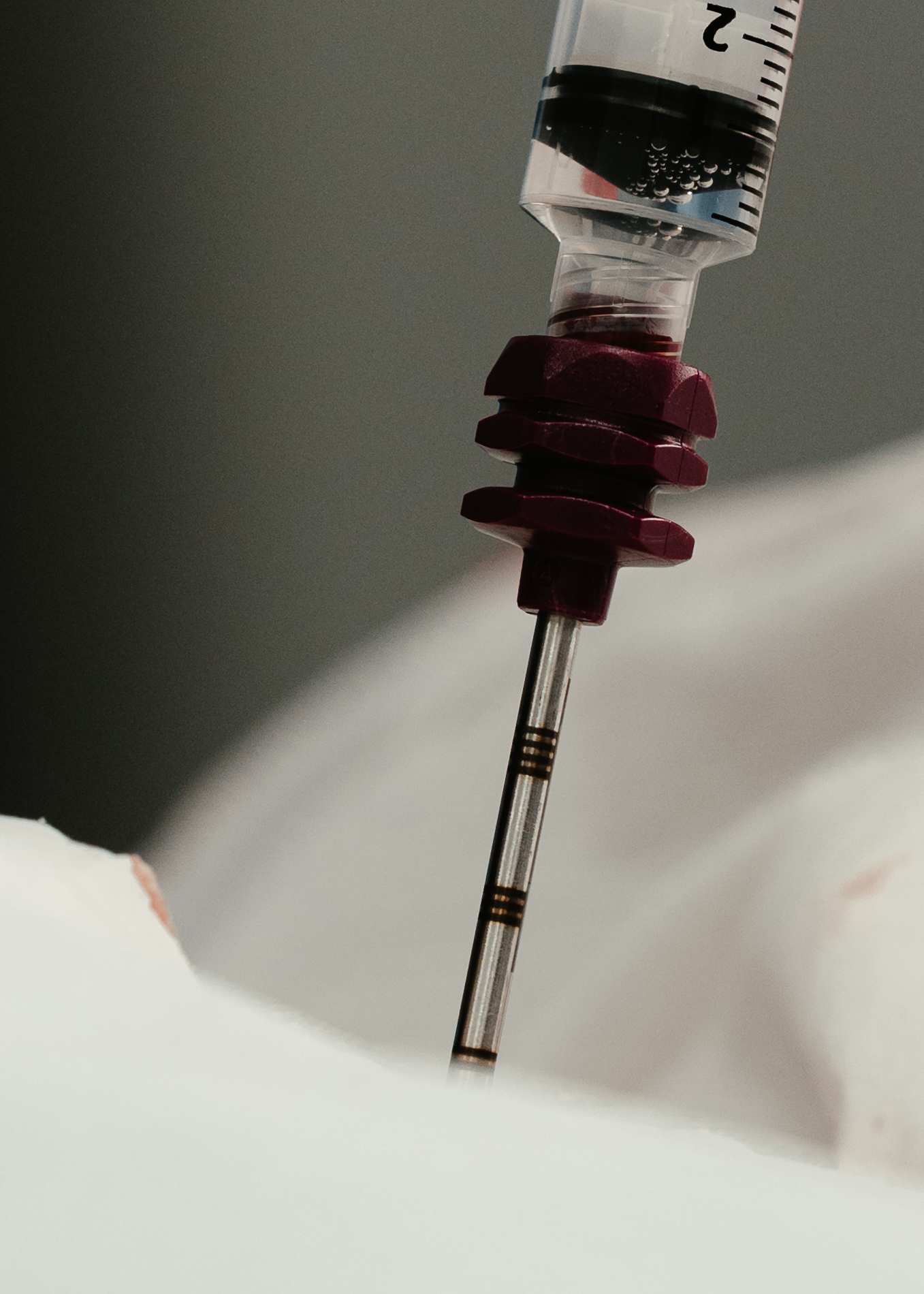
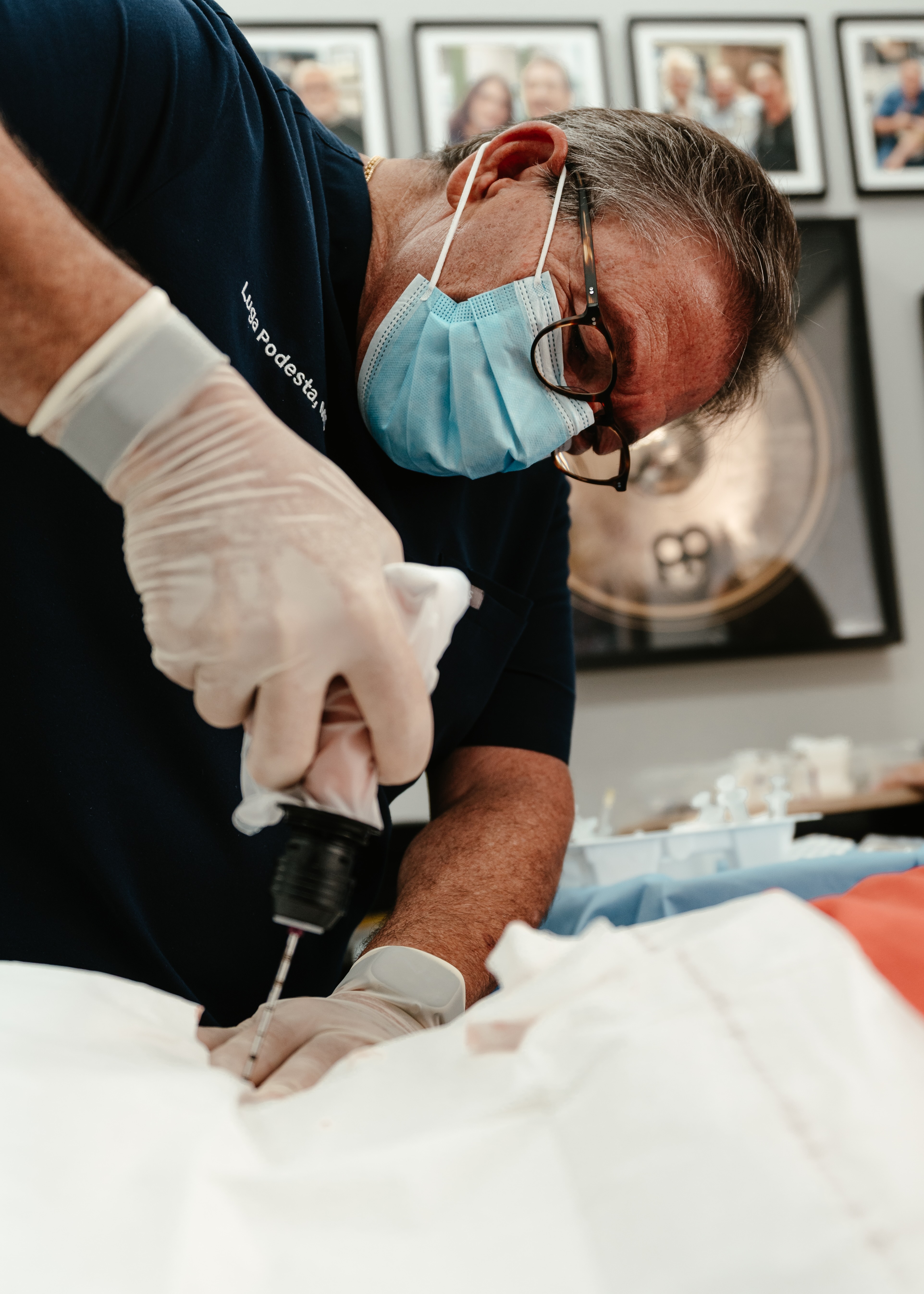
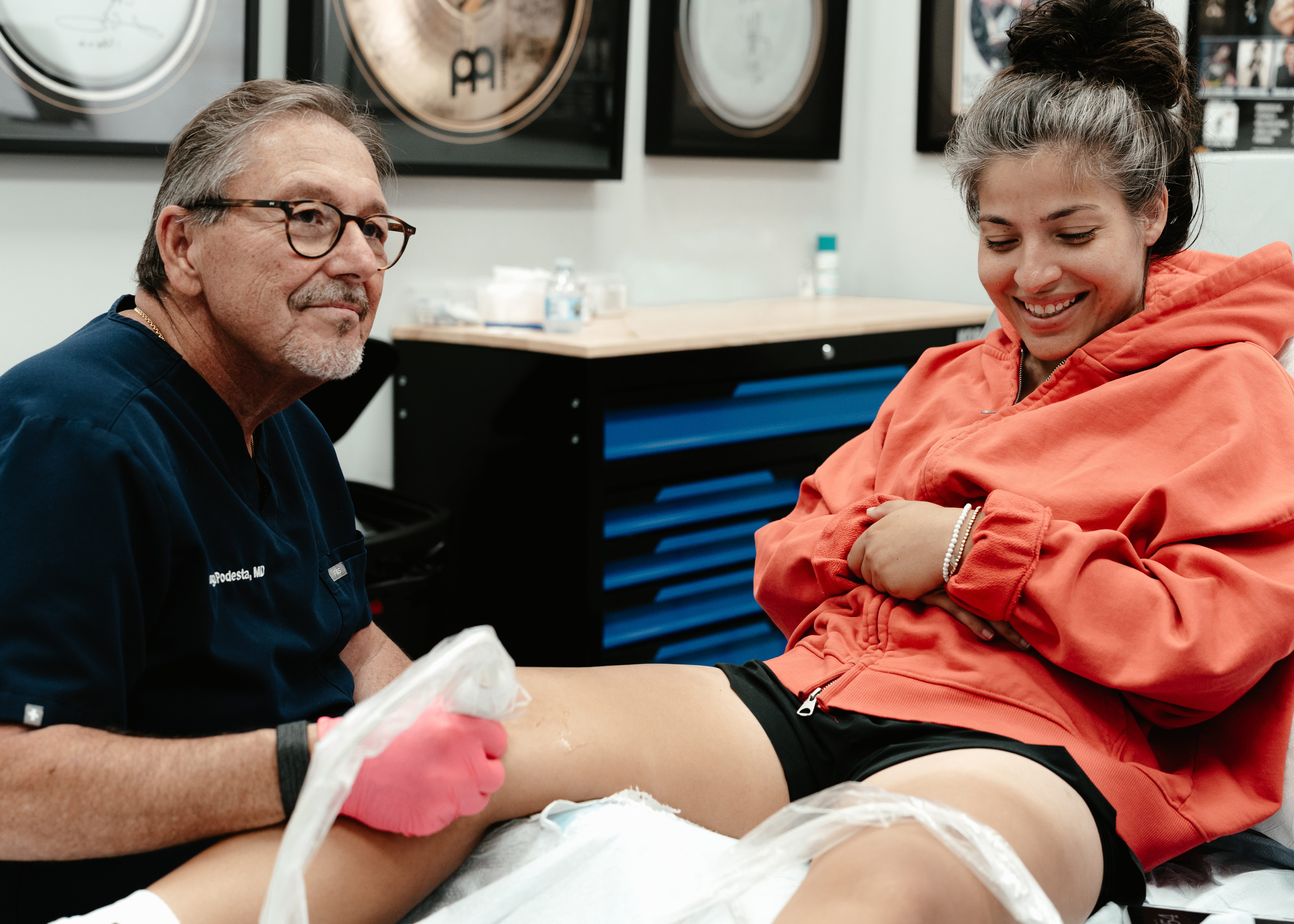
Dr. Podesta performs stem (progenitor) cell treatments in his office as an outpatient “point of care” procedure. He will first carefully withdraw a small amount of peripheral blood from a vein in your arm. The blood is then transferred and centrifuged to produce a predetermined tissue specific PRP formulation which take 15 to 25 minutes. Dr. Podesta will then reposition you and localize the posterior superior iliac crest using a musculoskeletal ultrasound device. Next, the target area on the posterior iliac crest will be anesthetized with a local anesthetic. Once the area is thoroughly anesthetized, a bone marrow aspiration needle will be advanced into the iliac crest. A small amount of bone marrow will then be painlessly withdrawn and placed into the centrifuge for processing for approximately 17 minutes. Dr. Podesta will then apply an antimicrobial dressing. The entire bone marrow harvest will take 15-20 minutes. An ice pack will then be applied to the aspiration site for 15 minutes to minimize bruising. When the bone marrow has completed its centrifugation process, it is removed and the PRP and bone marrow concentrate (BMC) are prepared for injection. The entire procedure will take approximately 45-60 minutes. Although most injuries can be effectively treated with a single injection, studies support a second treatment several months after the initial procedure depending on response to the initial treatment.

Most patients are extremely comfortable during the procedure, experience only minimal discomfort, and recover from the bone marrow aspiration and harvest in 2-3 days without any residual discomfort.

Adipose Derived Progenitor Cells (Progenitor Cells) Therapy

Adipose Derived Stem (Progenitor) Cells Therapy:

Adipose tissue is an abundant source of progenitor cells including adipocytes, pre-adipocytes, pericytes, medicinal signaling cells (MSCs), microvasculature, and other cells incorporated into a collagen matrix. Adipose derived progenitor cells are being extensively studied for their ability to stimulate and enhance healing. Adipose grafts are being utilized as soft tissue matrixes and scaffolds to treat larger tissue defects in tendons and ligaments as well as for their anti-inflammatory properties in osteoarthritis.

Amniotic Tissue Allografts

Amniotic tissue and amniotic membrane are a naturally occurring protective barrier in the human placenta which is. typically discarded after a baby is delivered. There is scientific evidence that the fluid derived from processing amniotic tissue is a source of biologic proteins, growth factors and progenitor cells. Placental tissue is donated after cesarean birth and processed. These donated tissues are referred to as allografts.  The fluid obtained after the processing, has been shown to exhibit a variable cellular, growth factor and biologic protein content, which can significantly affect the quality of their physiological response. Studies have observed there are no live progenitor cells present in preserved amniotic fluid allographs. The use of amniotic fluid allografts has been restricted to patients who were unable to use their own natural cells due to chronic illness, medication use, history of recent or active treatment of a malignancy, chemo or radiation therapy.

What can be treated with Amniotic fluid allografts:

Amniotic fluid allografts can be used to treat many of the same conditions that we currently treat with autologous orthobiologic or cell-based therapies such as:

  • Arthritic conditions of the knee, hip, shoulder or elbow
  • Tendon injuries
  • Spine pain
  • Ligament injuries
  • Inflammatory conditions like bursitis

Viscosupplementation (Hyaluronic Acid) Injections

Viscosupplementation is a procedure to treat osteoarthritis. Hyaluronic acid (HA) is a naturally occurring lubricant that is present in synovial joints such as the knee that functions to provide a near friction free surface while moving. With arthritis, HA production is reduced within the joint resulting in increased friction and inflammation. Viscosupplementation injections are injections of synthetically produced Hyaluronic acid into the joint to improve joint lubrication, decrease pain, diminish joint stiffness and improve joint range of motion and overall function.

Am I a candidate for Viscosupplementation Injections?

Osteoarthritis of the knee is the most common indication for viscosupplementation injections. Although it is often used in other joints such as the hip and shoulder, these injections will typically not be reimbursed by insurance carriers.

Corticosteroid Injection

Cortisone injections have been used to relieve pain and treat acute and chronic musculoskeletal and inflammatory conditions for decades. These injections are most often performed in the physician’s office. Cortisone is typically combined with local anesthetic medication such as lidocaine. Due to potential side effects and systemic risks such as muscle, tendon and ligament weakening, articular cartilage damage, bone death (avascular necrosis), nerve damage, infection and elevation of blood sugar in diabetics; the number of injections you can receive in a year are limited.

What is Regenerative Orthopedics?

Regenerative orthopedics is a branch of medicine focused on stimulating and enhancing your body’s natural ability to heal itself after an orthopedic injury. By applying advanced orthobiologic techniques, these treatments help revive delayed or incomplete healing responses in damaged muscles, tendons, ligaments, bone, and cartilage.

What conditions can be treated Regenerative Orthopedic therapies?

Regenerative Orthopedic therapies use orthobiologic and cell-based treatments for a wide range of clinical applications in a variety of different orthopedic and musculoskeletal abnormalities. Several of the most conditions that might benefit from orthobiologic or cell-based injections include:

  • Tendon injuries including:
    • Rotator cuff tendinitis or tears
    • Biceps tendonitis
    • Tennis elbow /Golfers’ elbow
    • Quadriceps tendinitis
    • Jumpers knee/patella tendinitis
    • Achilles tendinitis and tears
    • Plantar fascia
  • Ligament injuries such as:
    • Elbow UCL
    • Knee ACL, MCL
    • Ankle and foot sprains
  • Osteoarthritis
  • Spine injuries:
    • Disc herniations
    • Osteoarthritis
  • Muscle strains and tears:
    • Hamstring and quadriceps muscle strains and tears
    • Calf muscle-Gastrocnemius muscle strains and tears

What are the potential benefits of orthobiologic treatments?
  • Stimulate natural healing, minimizing the need for more invasive treatments including surgery.
  • Naturally reduce pain and inflammation.
  • Treatments are SAFE, with minimal chance of complications.
  • May significantly accelerate healing potential when compared to more traditional treatments.
  • Allow a quicker return to activity, sports, work or recreational activities.
  • No restrictions or risks if surgery is ever necessary in the future.

What can I expect the day of my Regenerative Orthopedic procedure?
  • Expect to be in the clinic for 1 to 1 1/2 hours to complete the procedure.
  • A small quantity of your body will be withdrawn for your arm and immediately processed in a computer assisted centrifuge for 20 to 30 minutes to produce the PRP formulation specific for your treatment.
  • Depending on the procedure performed and condition treated, a small quantity of bone marrow will be painlessly withdrawn from you iliac crest through a small needle and processed.
  • The injury site will be anesthetized with a local anesthetic or regional nerve block to minimize pain so you can remain relaxed and comfortable throughout the entire procedure.
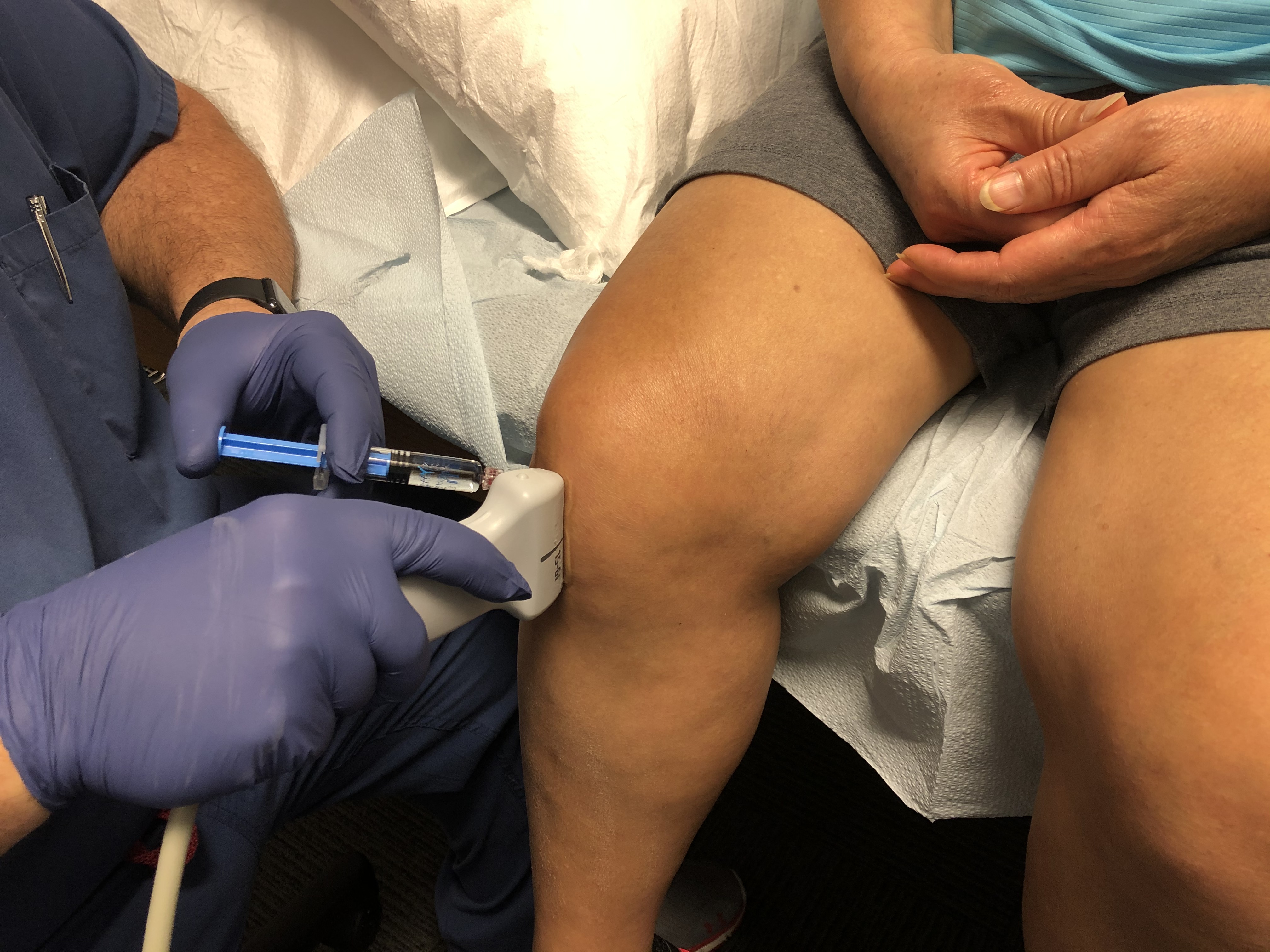
  • The orthobiologic will then be immediately administered under ultrasound or fluoroscopic guidance to the precise site of injury and a heat pack will be applied for 15 minutes to diminish post-injectional discomfort and stimulate blood flow and incorporation of the PRP into the treatment site.
  • If necessary, a brace or sling will be applied to protect the area treated.
  • Dr. Podesta will review his post-PRP recommendations for post treatment pain reduction, heating, range of motion, weight bearing status, activity level, use and limitations of the treatment area.
  • A 1 to 2-week post treatment follow up appointment with Dr. Podesta will be scheduled and all your questions will be answered prior to returning home.

How should I expect to feel after my Regenerative Orthopedic procedure?

It is normal to experience mild to moderate discomfort at and surrounding the treatment site for several days. Discomfort will vary depending on the specific Orthobiologic formulation used and body part treated. Soft tissue treatments such as tendons, tend to result in a slightly greater discomfort, swelling and stiffness for a short period of time. Application of moist heat 4 times per day post treatment will significantly reduce discomfort and swelling, facilitate blood flow, improving potential for healing. Over the counter acetaminophen (Tylenol) or prescribed analgesic medications can also be used to reduce more severe discomfort on an as needed basis. You will be instructed on how to safely move the treatment area while at home to prevent stiffness and maintain joint mobility. Strenuous activity is restricted for the first 3-4 weeks after treatment. A treatment specific physical therapy program will be prescribed to begin 2 to 3 weeks after treatment in most individuals.

How long does it take to see results after treatment and how many treatments will I need?

Expected results will depend on several factors, the severity of your injury, the length of time it has been present and finally the treatment that was performed. In most cases, results will be noticed within 3 to 4 weeks in most joint procedures and from 6 to 10 weeks after soft tissue procedures. The majority of cases can be treated with a single treatment. However, every individual heals differently and occasionally a second treatment, or a booster treatment will be indicated for persistent or reoccurrence of symptoms.

Are Regenerative Orthopedic treatments covered by my insurance?

Unfortunately, orthobiologic procedures are still considered investigational by insurance carriers and therefore are not reimbursed despite the ever-growing interest and evidence in the medical literature worldwide. This cannot be billed to your insurance carrier and a cash payment will be required prior to or at the time of the procedure.

Am I a candidate for Regenerative Orthopedic therapy?

If you have arthritis, low back pain, muscle, ligament or a tendon injury, or if you are just not improving with conservative measures and want to avoid surgery as long as possible, a regenerative orthopedic treatment may be for you.

If you have been diagnosed with active cancer or infection or have been diagnosed with lymphoma or other forms of chronic disease you may not be eligible unless cleared by your personal physician.

Specialties

Regenerative Orthopedics

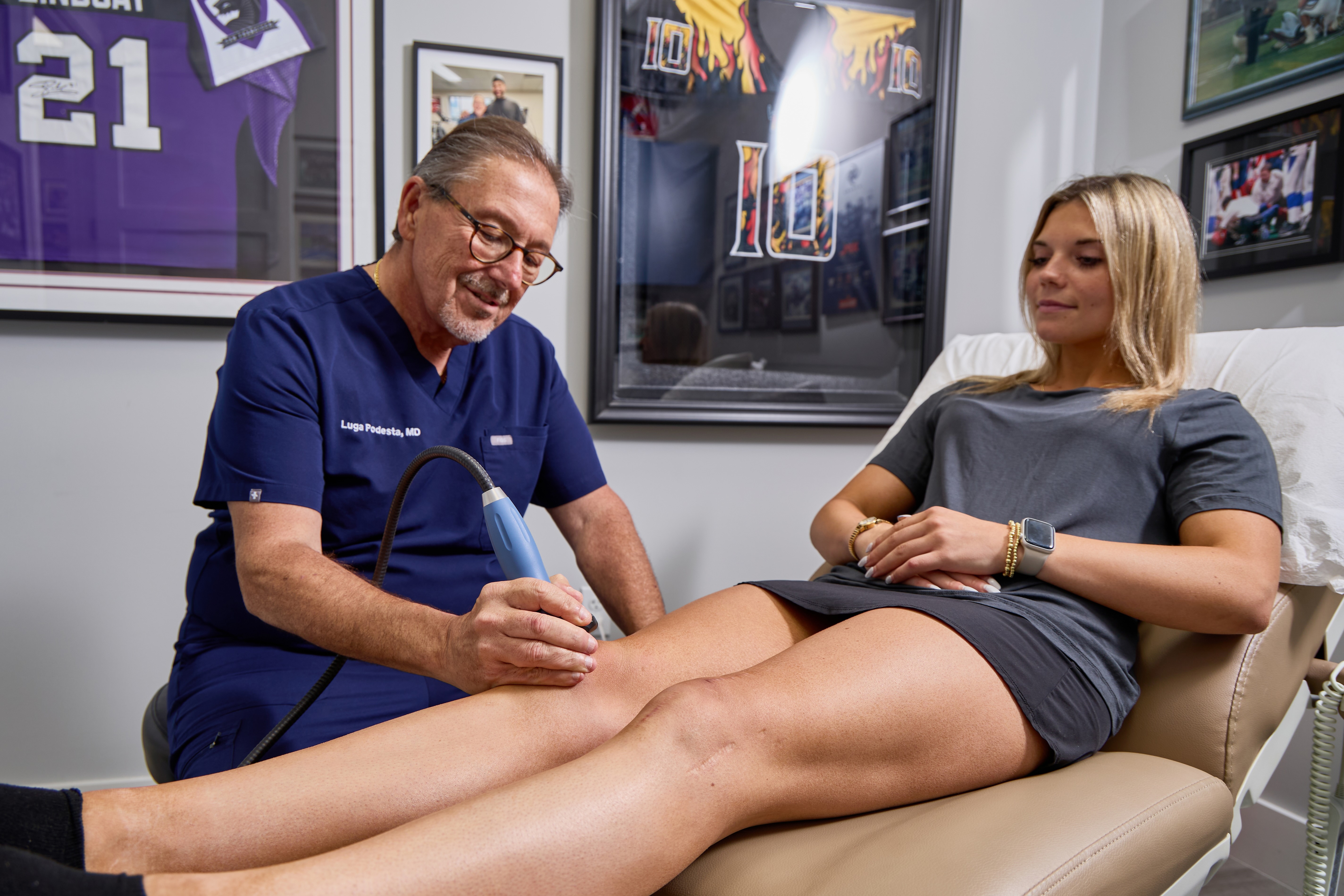
Regenerative orthopedics focuses on stimulating and enhancing our body's natural ability to respond to orthopedic injuries and heal itself. It applies advanced orthobiologic techniques, each with the potential to stimulate the immune system and increase the body’s natural ability to heal.

Indication · FOCUS · TENDON · LIGAMENT · JOINT

Sports Medicine

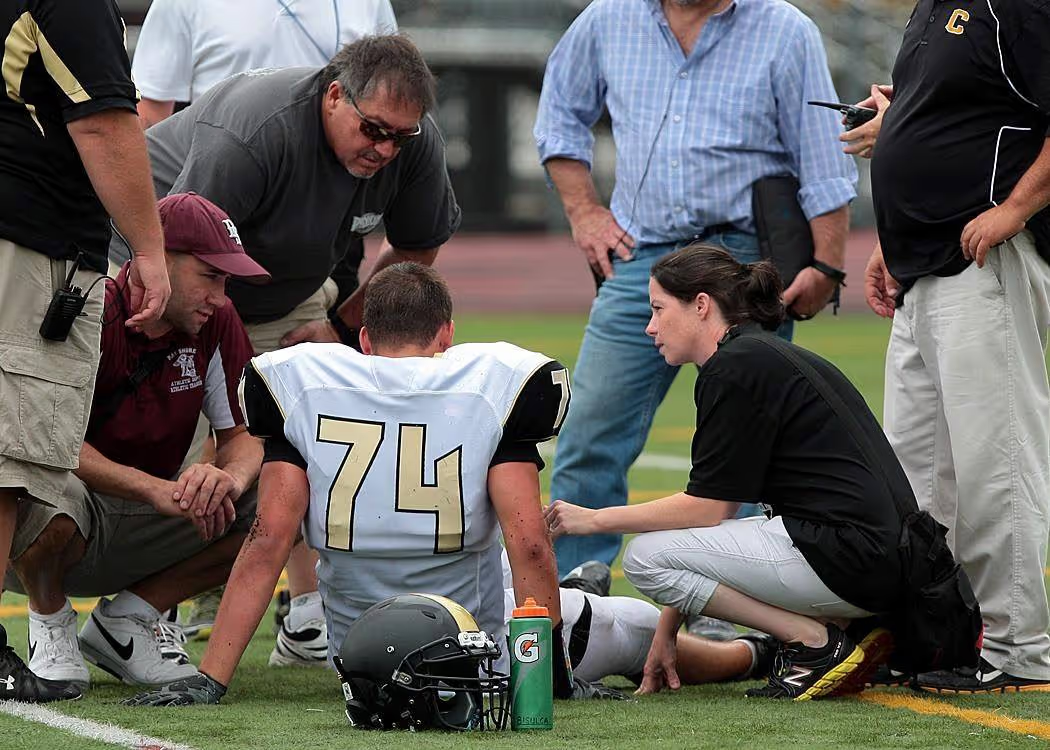
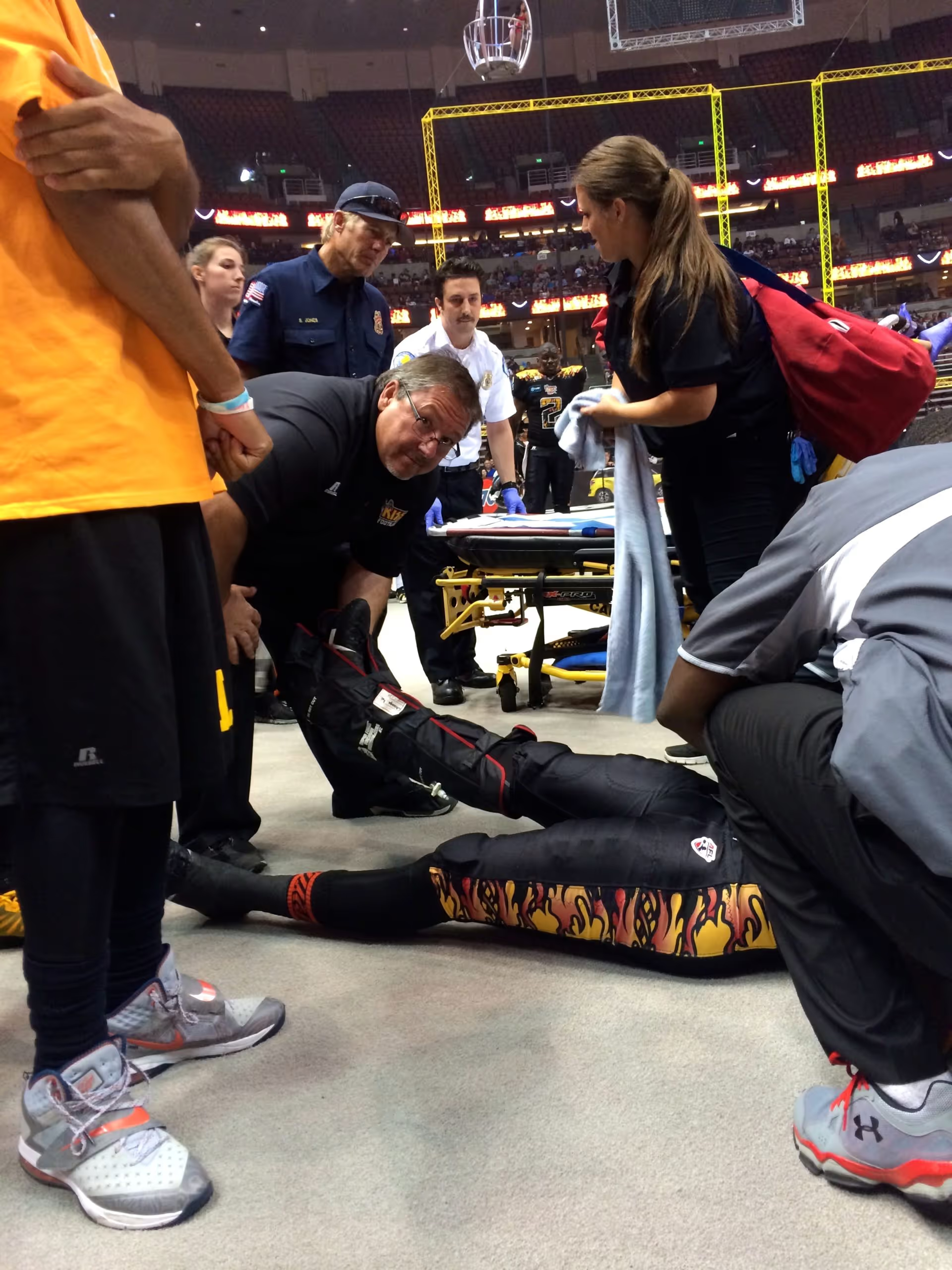
Non-surgical evaluation and treatment of orthopedic, musculoskeletal and sports-related injuries, from competitive athletes to weekend warriors. Built to return you to activity safely

Indication · FOCUS · INJURY · RECOVERY · RETURN TO PLAY

Performing Arts Medicine

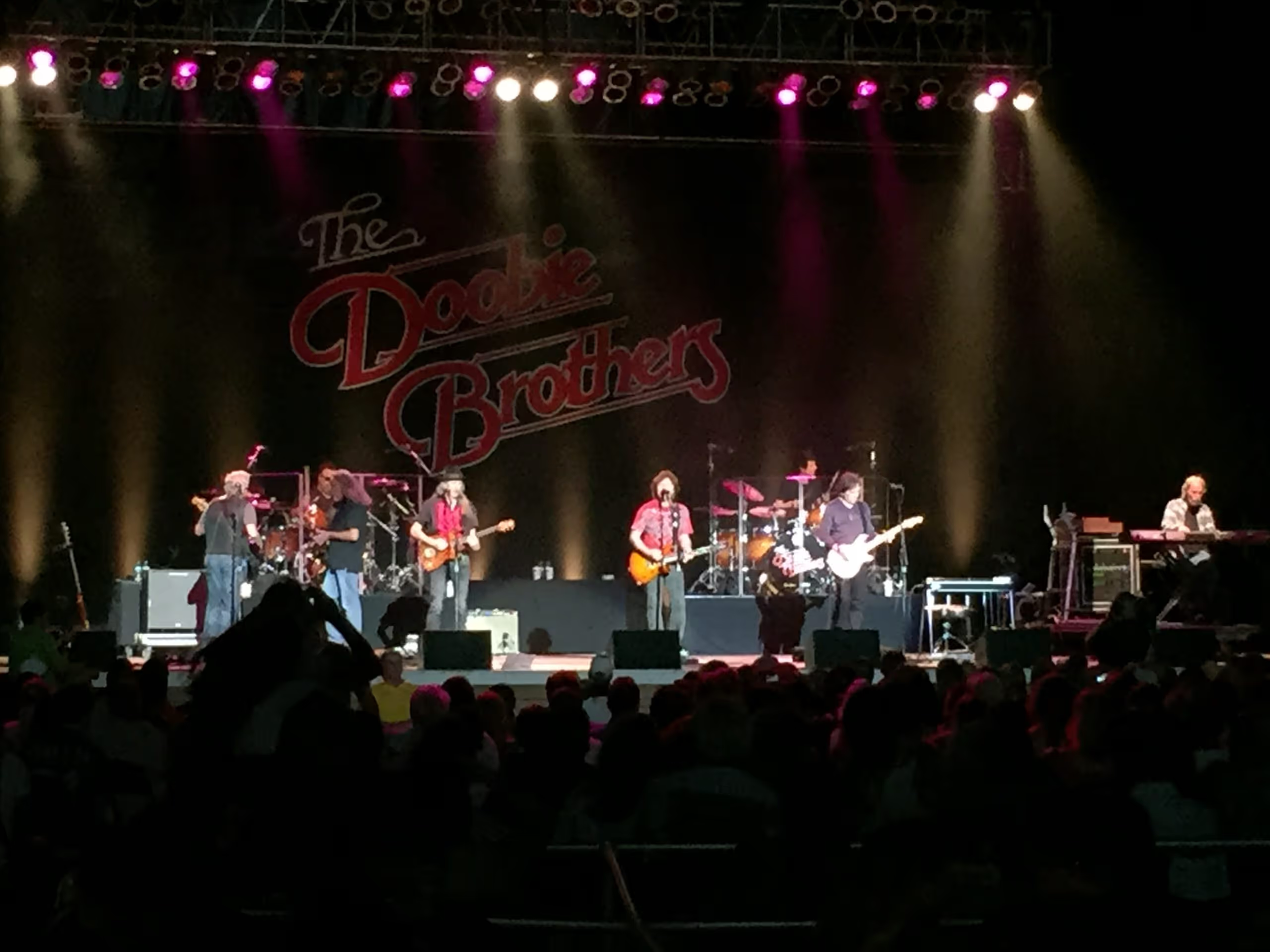
Specialized non-surgical care for musicians, dancers and performers, treating the repetitive stress and overuse injuries that come with life on stage and keeping you at your highest level.

Modality · FOCUS · MUSICIANS · DANCERS · OVERUSE

Regenerative and Orthobiologics therapies

Regenerative orthopedics focuses on stimulating and enhancing our body's natural ability to respond to orthopedic injuries and heal itself. It applies advanced orthobiologic techniques, each with the potential to stimulate the immune system and increase the body’s natural ability to heal.

Indication · FOCUS · INJURY · RECOVERY · RETURN TO PLAY

Sports Medicine

With recognized expertise in developing tailored rehabilitation strategies to safely transition injured athletes back to the field, we focus on fully restoring functional movement, optimizing recovery, and returning athletes to peak performance.

Indication · FOCUS · INJURY · RECOVERY · RETURN TO PLAY

Performing Arts Medicine

When an injury keeps you offstage, choosing the right physician is essential. Performance-related injuries affect drummers, concert pianists, and young dancers alike, making it critical to select a doctor who deeply understands the unique physical demands of your craft to ensure a safe, precise, and swift return to peak performance.

Indication · FOCUS · INJURY · RECOVERY · RETURN TO PLAY
Begin Your Recovery

Request a private
consultation.

Appointments in Naples, FL, and monthly in Los Angeles, CA. Space in the practice is intentionally limited.

Mon–Fri · 9:00–5:00
Patient Resources
TAP TO CALL